Speak Up or Be Spoken For: New Research Calls for a Stronger Farmer Voice in Australian Policy
“Decisions made beyond the farm gate are shaping the future of Australian agriculture, and if farmers aren’t at the table, someone else will speak for us. The cost of staying quiet is too high. We need to be visible, organised and proactive, or we risk being shaped by policy rather than helping to shape it.”
A Western Australian grain farmer is challenging the way Australian agriculture engages with policy, calling for a more unified, strategic and proactive approach to ensure the farmer voice is heard in the decisions that shape the industry’s future.
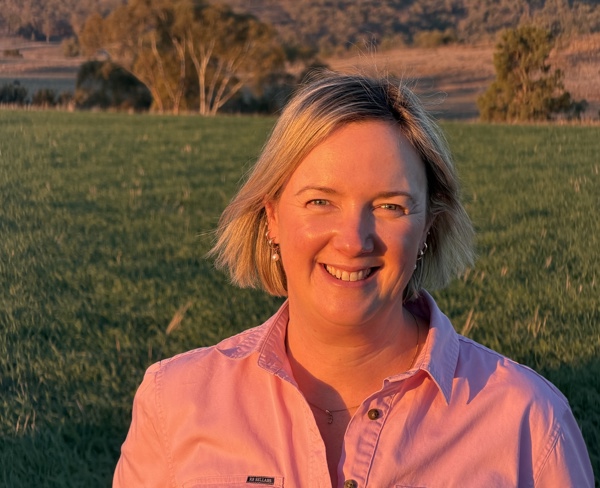
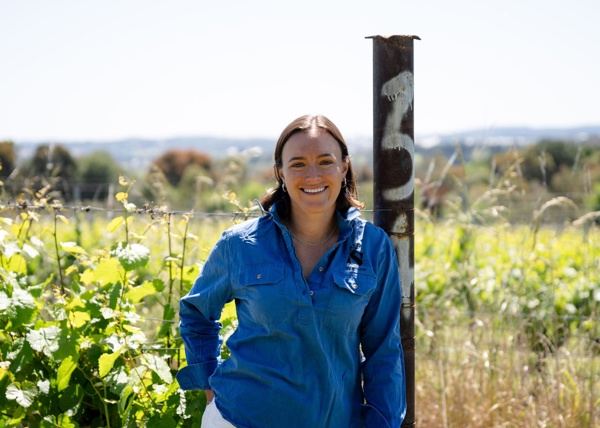
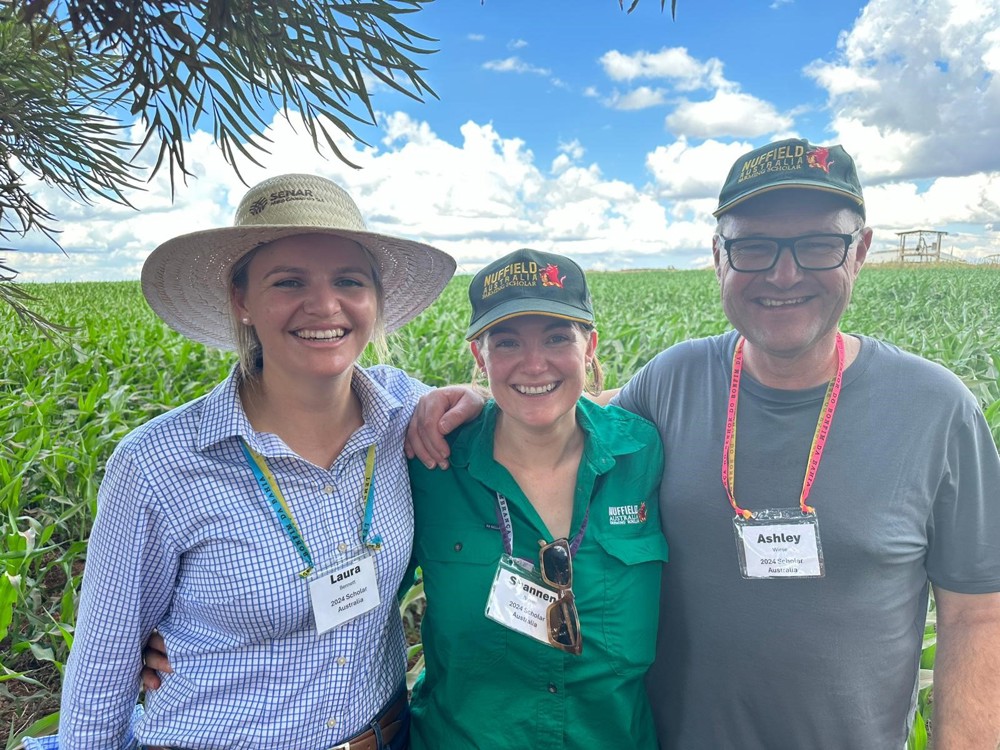
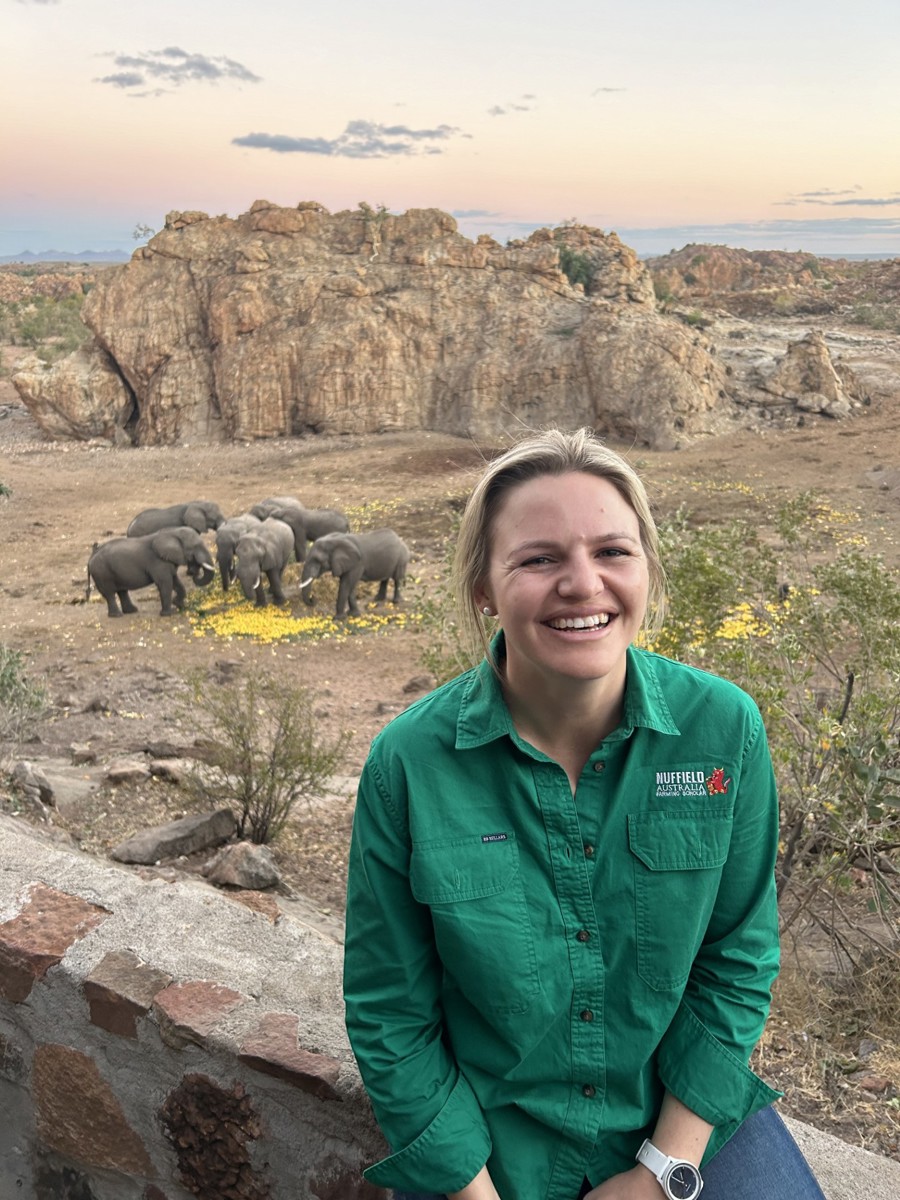
Laura Egan (nee Bennett), 2024 Nuffield Scholar and grain farmer from Scaddan on the South Coast of Western Australia, has released a new report exploring how Australian farmers and their representative bodies can better influence policy outcomes. Supported by CSBP Fertilisers, Laura’s research spanned 18 months of travel across 14 countries and four continents, examining how farmer-led advocacy operates globally and what Australia can learn from it.
Laura’s report, Raising the Farmer Voice to Influence Policy, identifies a fragmented and increasingly stretched advocacy landscape in Australia, where more than 270 organisations operate in the agricultural advocacy space. That fragmentation, she argues, is diluting farmer influence at a time when policy decisions are moving faster, public scrutiny is rising, and the regulatory burden on farm businesses is growing.
“Farming in Australia is becoming more complex by the day. Climate variability, market volatility, geopolitical pressures and a heavier compliance load are all stacking up on already stretched farm businesses,” Laura says. “At the same time, the organisations that represent us are under pressure too. If we want better policy outcomes, we need advocacy that is fit for purpose, well-governed and clearly adding value.”
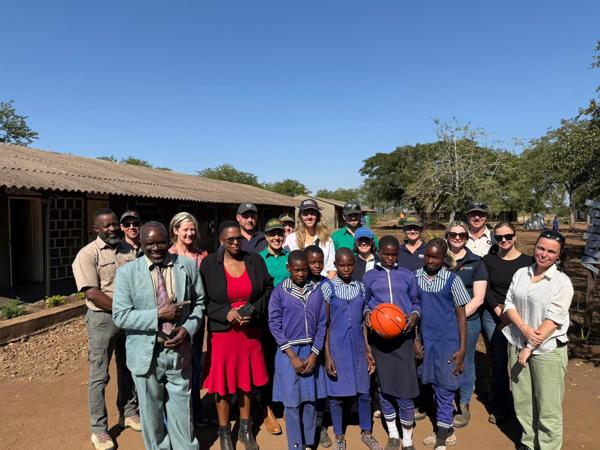
Laura’s research drew on interviews with growers, farming unions, agribusinesses, advocacy groups and policy makers in countries including New Zealand, Germany, Ireland, the United Kingdom, the United States, France, Argentina and Zimbabwe. Across all of them, she identified three common foundations of effective advocacy: strong structures, strong voices and strong networks.
A key finding is that farmer influence is strongest when voices are unified, messages are clear, and advocacy is proactive rather than reactive. Laura points to a sentiment shared by a New Zealand farmer she met during her travels: groups should be working together on the 95 per cent of issues they agree upon, not dividing on the five per cent they will never align on.
“Where groups publicly disagree, credibility takes a hit and policy makers get conflicting messages. That weakens the whole industry’s position. The most effective groups overseas resolve their differences behind closed doors and present a united, consistent voice at the political level.”
The report also addresses the need for inclusive and future-focused leadership. Laura found that the average gender split across the boards of Australia’s seven State Farming Organisations is 79 per cent male and 21 per cent female, with limited age and cultural diversity. This stands in contrast to a federal parliament that is becoming younger and more gender balanced.
“The modern agricultural workforce and the political landscape we are advocating into are both changing. If the leadership of our advocacy groups doesn’t reflect that, we risk becoming less relevant and less relatable, both to our own members and to policy makers.”
Laura’s report puts forward seven strategic recommendations to strengthen the capability, relevance and long-term sustainability of grower representation in Australia. These include communicating value clearly to members, strengthening governance with term limits and succession planning, investing in inclusive leadership, shifting from reactive lobbying to strategic proactive advocacy, unifying farmer voices across state and national levels, diversifying revenue streams beyond membership, and expanding strategic alliances across the supply chain.
She is particularly focused on the opportunity for agriculture to mobilise the broader supply chain. Agribusinesses, input providers, transport, logistics and retailers all benefit from a productive farming sector, yet are often absent from advocacy discussions. Laura argues that, where it can be done transparently and without compromising the independence of the farmer voice, these stakeholders should be lending support, resources and political connections to amplify farmer-led efforts.
Storytelling is another key theme. With around half of Australians, and nearly 60 per cent of Gen Z, citing social media as a primary source of news, Laura says agriculture needs to own its narrative rather than respond to it.
“We have a great story to tell. Australian farmers are among the most efficient and trusted in the world, but we are not telling that story loudly or consistently enough. Strong storytelling, genuine relationships and proactive engagement build political capital long before a crisis hits.”
Laura’s Nuffield Scholarship was supported by CSBP Fertilisers, whose ongoing investment in Australian agriculture and the development of farmer leaders helps growers build more productive, profitable and sustainable businesses.
Laura’s full report, Raising the Farmer Voice to Influence Policy, and her presentation at the 2025 Nuffield National Conference in Adelaide, are available on the Nuffield Australia website.