Protecting Indigenous food knowledge: charting a course for Australian Native Foods
“The role Australian Native Foods play from a cultural perspective is a pillar in the lore of our Aboriginal and Torres Strait Islander people.”
Far from niche culinary novelties, a report released today highlights the importance of Traditional Knowledge protection in Australian Native Foods – an industry rooted in 60,000 years of Indigenous history.
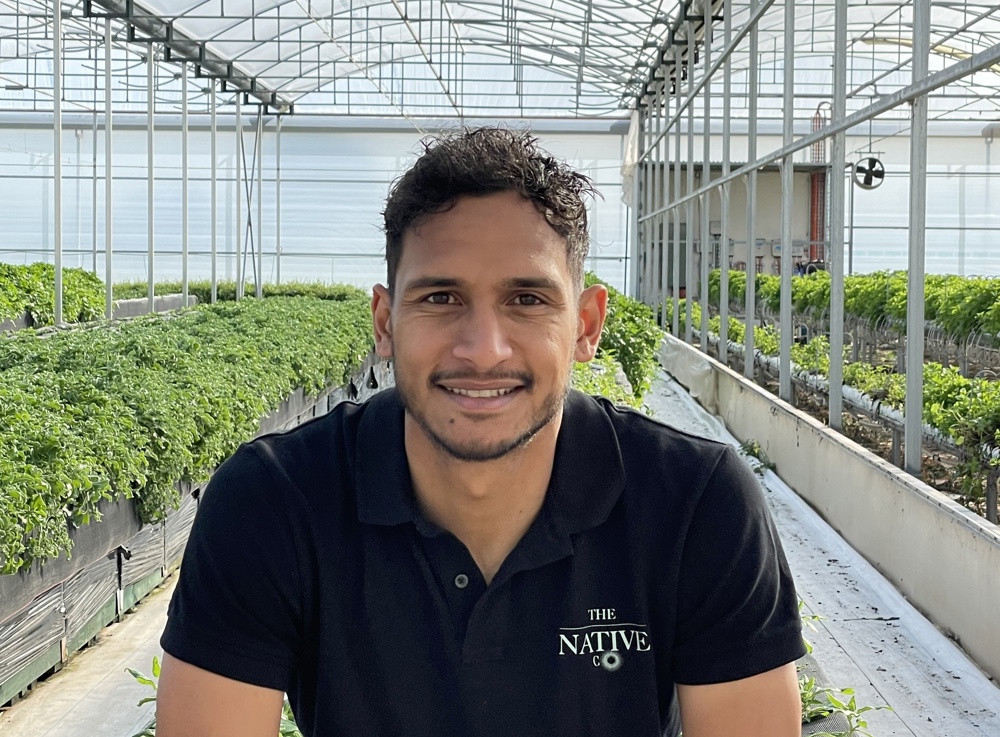
The Nuffield report of Marlon Motlop, a proud Larrakia/Gulumeorrgin, Kungarrakany Erub/Darnley man, highlights the importance of Australian native foods such as the Kakadu plum, Warrigal greens and Rock fuchsia. His report calls for increased First Nations leadership in the rapidly growing industry.
Marlon, a former Port Adelaide footballer, has taken a deep dive into how Australian Native Foods connect people, culture and country. He offers practical steps to ensure the knowledge systems and cultural practices involved with them are respected and protected.
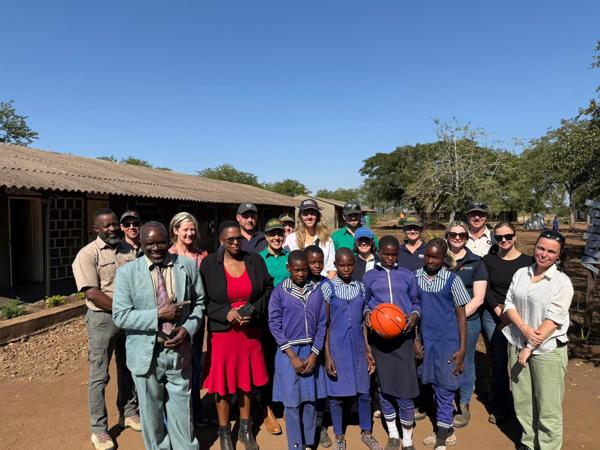
His Nuffield scholarship, supported by Woolworths and Nuffield Australia, saw him visit Aboriginal Land Councils and Corporations across northern Australia, as well as travel to North and South America, Europe, Singapore and New Zealand to meet with other Indigenous farmers and food business owners, and learn more about supply chains and markets.
Himself an owner of an Australian native foods business, Native Kitchen Australia, Marlon said Native Foods are more than ingredients – they are stories, traditions, and a bridge between cultures.
“In the report and through my Nuffield travels I explore how understanding, sharing and celebrating Native Foods can be a powerful conversation starter for topics including reconciliation,” Marlon said.
“The role Australian Native Foods play from a cultural perspective is a pillar in the lore of our Aboriginal and Torres Strait Islander people.”
Marlon found the Australian Native Foods industry is growing quickly, with more people interested in their unique flavours and health benefits.
He argues that First Nations knowledge and cultural protocols are essential for growing and sharing these foods in a way that respects culture and country.
“Major challenges remain for Indigenous-led Native Food businesses, including risks of cultural exploitation, barriers to market access, and the need for stronger protection of Indigenous Cultural Intellectual Property.
“We’re talking about the protection of Aboriginal and Torres Strait Islander peoples’ rights to their cultural heritage, including knowledge, stories and creations.”
Marlon makes strong recommendations to address these challenges, and grow the Australian Native Food industry sustainably and ethically.
His recommendations include:
- Strengthen Intellectual Property and Traditional Knowledge protection
- Build consumer trust through authentic branding
- Greater investment in research and development
- Secure sustainable supply chains through capability and capacity building for First Nations agribusiness
- Increased capital investment in First Nations agriculture businesses
- Majority share of First Nations-owned bush food businesses
- Culturally safe Aboriginal and Torres Strait Islander governance structures for First Nations businesses in the Native Foods sector
“This report is about more than food – it’s about respect, opportunity, and working together for a better future,” said Marlon.
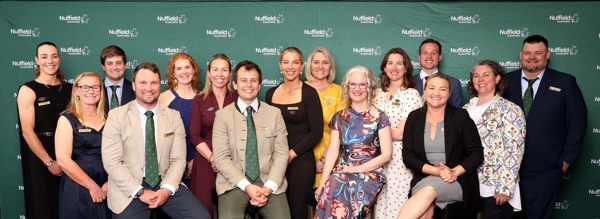
Marlon's presented his findings at the 2025 Nuffield Conference in Adelaide, full presentation and report can be found on the Nuffield Australia website.