Food safety culture can lift productivity and strengthen horticulture’s sustainability
“Food safety culture isn’t extra paperwork. It is how a business thinks and acts every day to protect consumers, meet standards and lift productivity.”
A Queensland quality assurance specialist is encouraging Australia’s fresh produce sector to treat food safety culture as a practical driver of performance, not just another compliance requirement.
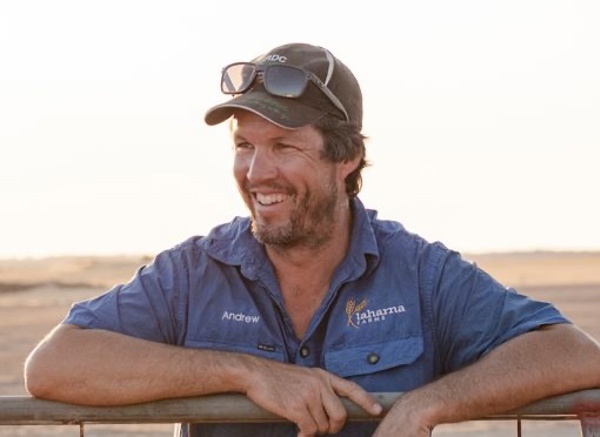
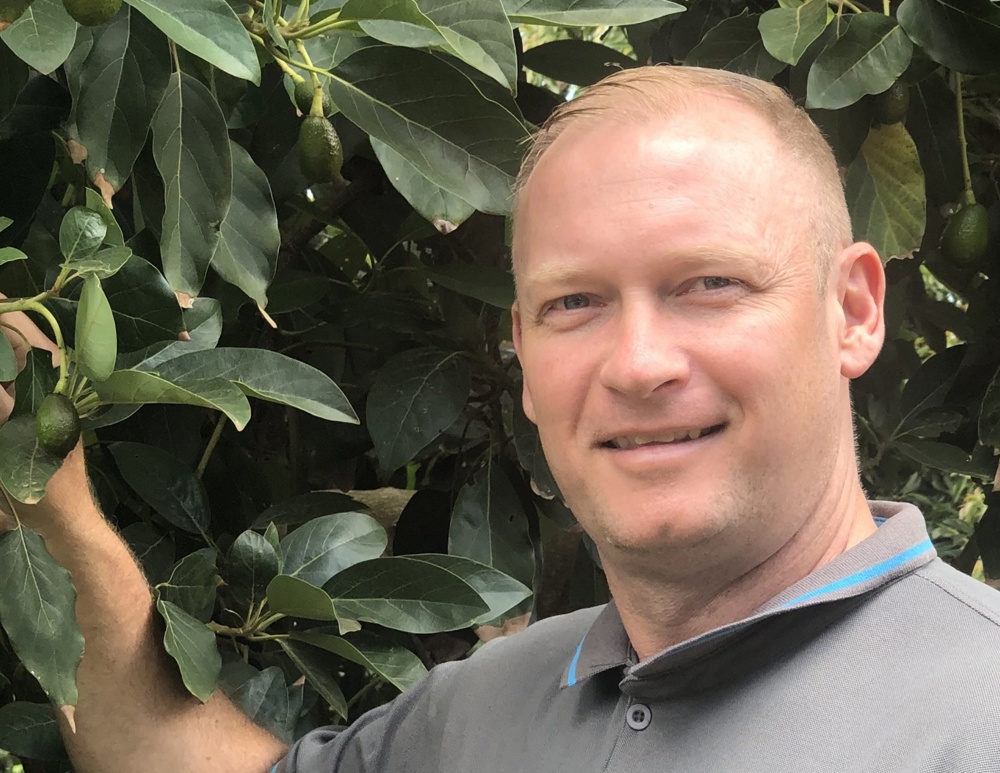
Andrew McKillop, 2021 Nuffield Australia Scholar, supported by PSP Investments, has released his report Food safety culture to drive sustainability and profitability within primary production businesses, exploring how stronger food safety culture can support productivity, sustainability, customer compliance and consumer confidence across horticultural supply chains.
Horticulture is a major contributor to Australia’s economy, with horticultural production (including wine grapes) estimated at $18 billion in 2023/24, and fresh produce businesses facing growing food safety expectations and audit requirements. Andrew’s report explains that food safety culture is now an auditable element in major schemes, yet remains poorly understood in practical terms.
“Food safety culture is about attitudes, behaviours and priorities. It determines whether a food safety management system is actually working day to day,” Andrew said.
The report highlights key challenges for the sector, including seasonality, workforce pressures, assumptions that fresh produce is low risk, and compliance fatigue, particularly for small to medium businesses managing increasing customer requirements.
Andrew outlines practical ways businesses can assess and strengthen food safety culture, including surveys, focus groups, observation of on-farm and packhouse practices, and documentation and KPI reviews. He emphasises that visible leadership, open communication and effective training are essential to building confidence and preventing issues before they reach the supply chain.
The report calls for a mindset shift from primary producer to food producer, recognising that much fresh produce is consumed raw and requires consistent, embedded food safety habits.
Andrew presented his findings at the 2024 Nuffield National Conference in Launceston, Tasmania.
Andrew’s full report is now available on the Nuffield Australia website.