Maternal efficiency identified as a key driver of profitability in ruminant production
“Profitability in beef and lamb systems starts with the breeding female. Improving maternal efficiency is one of the most powerful levers producers have to lift returns, regardless of environment or breed.”
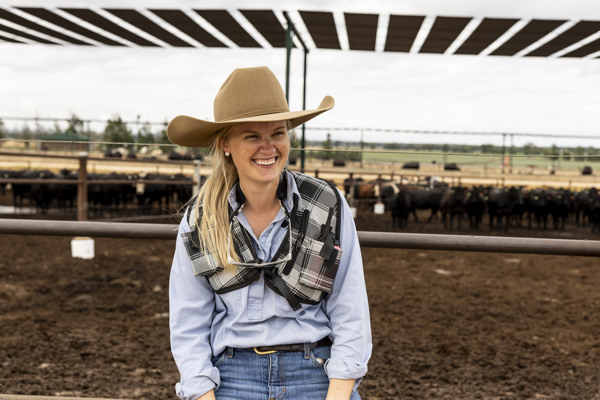
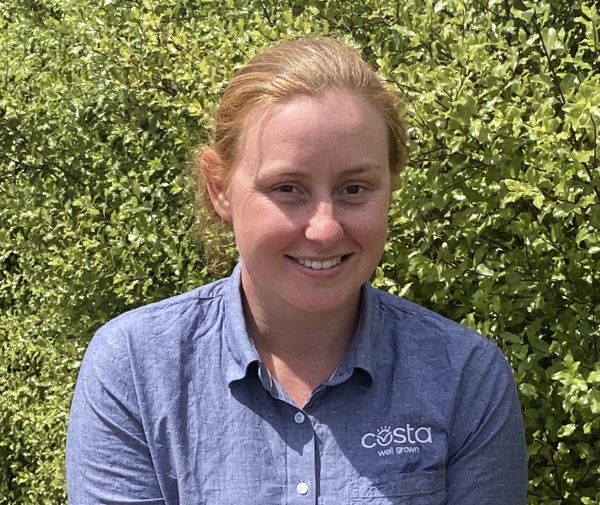
A New South Wales beef and sheep producer has brought together global insights and Australian research to demonstrate how improving maternal efficiency can significantly lift profitability across ruminant production systems.
Jack Courts, a 2024 Nuffield Scholar, has released his report Maternal Efficiency: The Key to Profitable Ruminant Animal Production, which examines how fertility, early puberty, body condition score, moderate mature size and feed efficiency directly influence kilograms weaned, carcase outcomes and long-term business performance.
Maternal efficiency, defined as kilograms of offspring weaned per kilogram of maternal body weight, emerged as a central profit driver. Jack’s research shows that breeding females which consistently conceive, maintain condition and wean more weight relative to their size deliver stronger returns on feed, labour and genetic investment.
The report also explores how maternal efficiency links to market outcomes through the Meat Standards Australia grading system. By aligning maternal genetics and management with key MSA drivers such as intramuscular fat, eye muscle area, fat depth and carcase weight, producers can improve both reproductive performance and access to premium carcase prices.
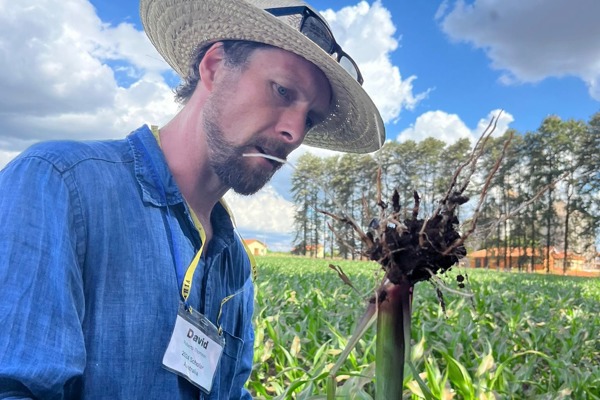
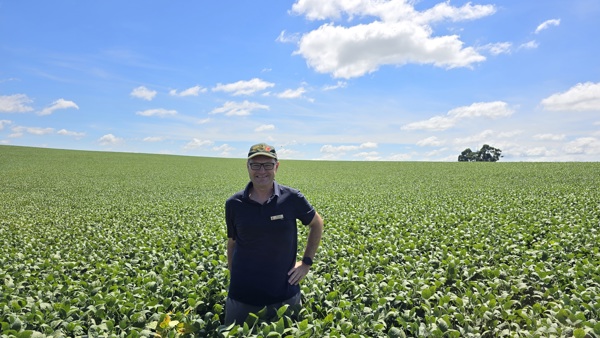
Jack’s research took him across Australia, Brazil, the United States, Germany, Ireland, Scotland and Italy & France, where he observed regenerative grazing systems, precision grazing, TechnoGrazing and low-input breeding programs designed to reward fertile, resilient females. Across all regions, systems that integrated genetics, pasture management, targeted nutrition and performance monitoring delivered more consistent reproductive outcomes and improved productivity per hectare.
The report highlights practical strategies for Australian producers, including early weaning, tighter joining periods, stocking rate optimisation, targeted supplementation during gestation, and the use of precision technologies such as walk-over weighing and electronic identification to support data-driven decision making.
Jack presented his findings at the 2025 Nuffield Australia National Conference in Adelaide. His full report is now publicly available on the Nuffield Australia website.
2027 Nuffield Scholarship applications are now open.
Influence what comes next in Australian agriculture.
Learn more and apply at https://www.nuffield.com.au/how-to-apply