What Does Sustainability Look Like for Australian Berries? A Grower's Perspective on Making It Work
"As the berry industry matures, sustainability has to make economic sense. The farms that will thrive are the ones that find ways to do both—look after the environment and stay profitable. That's the real challenge for our industry."
A Tasmanian berry horticulturist has released new research exploring what sustainability really means for Australia's maturing berry industry—and it's a conversation growers need to hear.
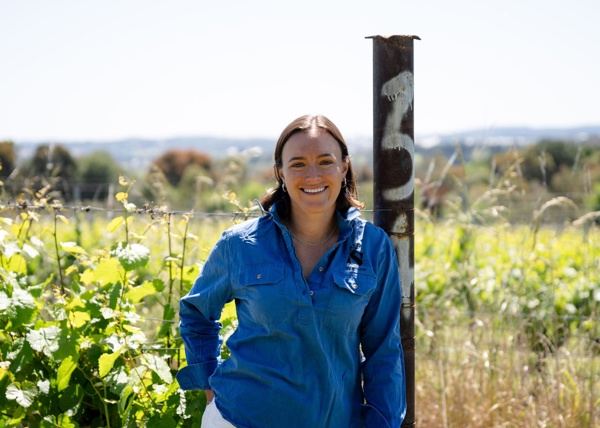
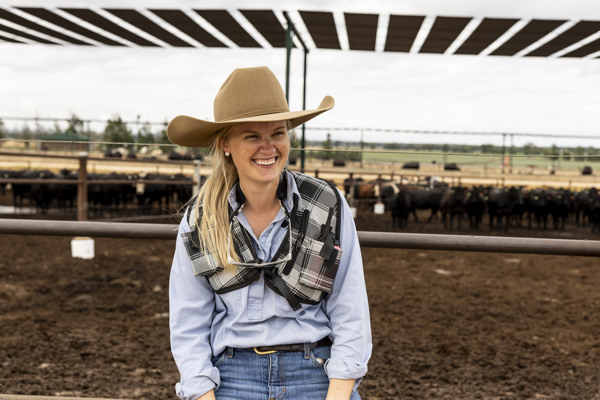
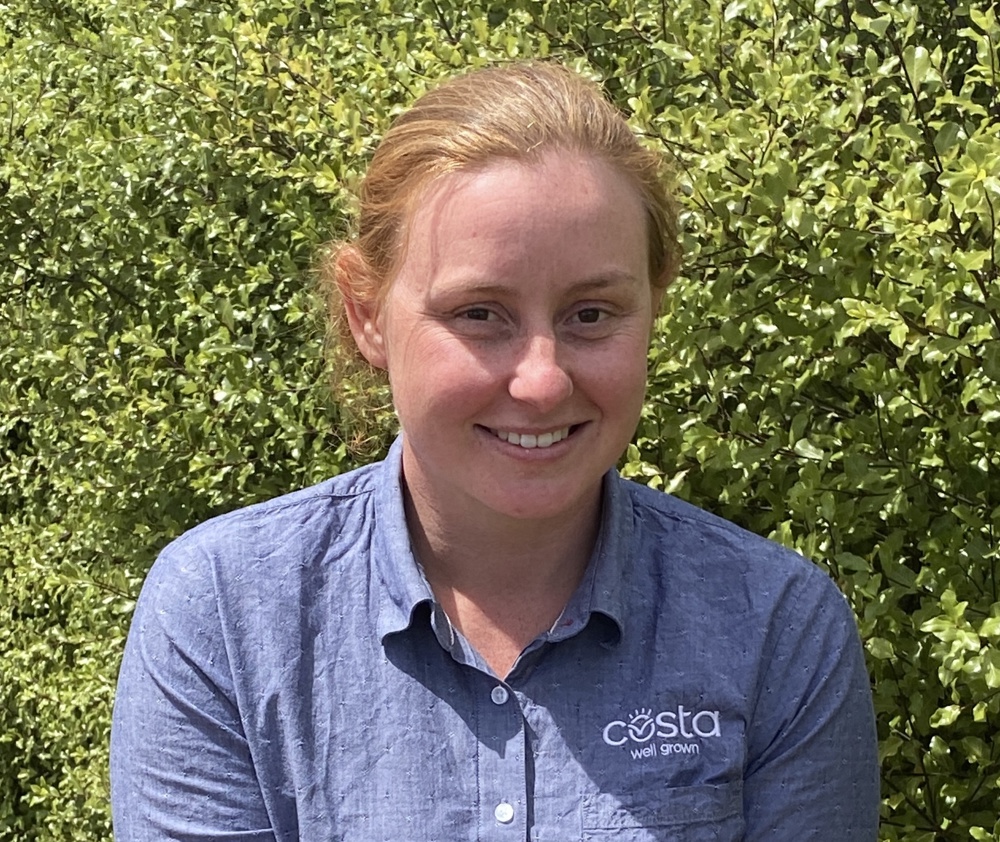
Kirsty Dickenson, 2024 Nuffield Scholar and horticulturist with Costa, studied how mature berry industries operate across California, the UK, Ireland, the Netherlands, and Germany to understand what sustainability looks like when markets are competitive and margins are tight.
"For years, the focus was on growing more fruit. The 2020s changed that. When you're managing cost pressures and softening demand, sustainability becomes about making smart decisions that improve both your bottom line and your farm," Kirsty explains.
Her research reveals a crucial finding: sustainability in global berry industries is driven by three things—profitability, policy requirements, and market access. It's rarely driven by consumer demand alone.
"I spoke to many growers who genuinely care about the environment. But without profitability, they can't invest in it. That's the real conversation we need to have in Australia—how do we make sustainability economically viable for growers operating in a mature market?"
Between 2013 and 2023, Australian Rubus production grew by 498% and blueberries by 320%. But that growth phase is slowing. High inflation, labour costs, and shifting consumer demand have put the Australian berry sector into a maturation phase where growers are focused on optimising current systems and profitability, rather than pushing ever-increasing volumes.
Kirsty's research shows global examples of how retailers and supply chains are influencing grower practices—sometimes positively, sometimes with unintended consequences. "In the US, major retailers have driven meaningful improvements in water management and chemical stewardship by setting clear expectations. But I also saw examples where poorly designed initiatives actually pushed farms towards less sustainable options," she notes.
The report emphasises that a one-size-fits-all approach to sustainability won't work. Environmental challenges in Tasmania differ from those in Queensland or Western Australia. What works for one region may not work for another.
"Australian agriculture has a reputation for innovation and adaptability. The real opportunity for the berry industry is collaboration—between growers, supply chains, researchers, and industry groups. If we can create practical, locally-tailored sustainability strategies and share knowledge across the sector, we'll see real change," Kirsty says.
Her recommendations centre on three areas: engagement with industry bodies like Berries Australia and local grower groups; investment in tools and technologies that improve water and fertiliser efficiency; and support for growers to understand the business case for sustainable practices.
"There are opportunities in technology—robotics, precision irrigation, biodiversity monitoring. But these need to make economic sense for growers. That's where the industry needs to focus."
As the berry industry navigates maturity, Kirsty's research points to a clear path: sustainability that works is sustainability grounded in profitability, driven by practical experience and local conditions, and built on collaboration across the supply chain.
"The farms and businesses that will thrive in a mature market are the ones that can deliver quality fruit efficiently, understand their environmental footprint, and work collaboratively with their supply chain partners. Sustainability isn't separate from profitability—it's part of it."
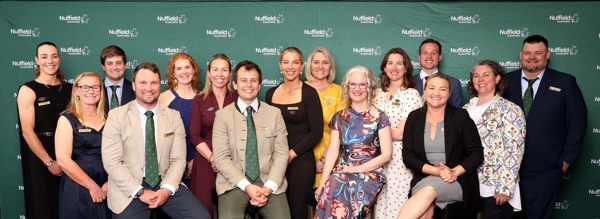
Kirsty's full report, What sustainability may look like for the maturing berry industry of Australia, is now available on the Nuffield Australia website. She presented her findings at the 2025 Nuffield National Conference in Adelaide.