Before Crisis: Why Rural Australians Stay Silent and a Practical Way to Change That
“If we are working so hard to build the capacity of rural Australia, why aren't we paying more attention to the capacity we are losing?”
Australia is spending more on mental health than ever before. Services have expanded, awareness campaigns have multiplied, yet the national suicide rate hasn't shifted in thirty years. A new report from 2025 Nuffield Scholar David Woods, released to coincide with Mental Health Month, argues that the challenge is not simply a shortage of support, but a shortage of engagement with the support that already exists.
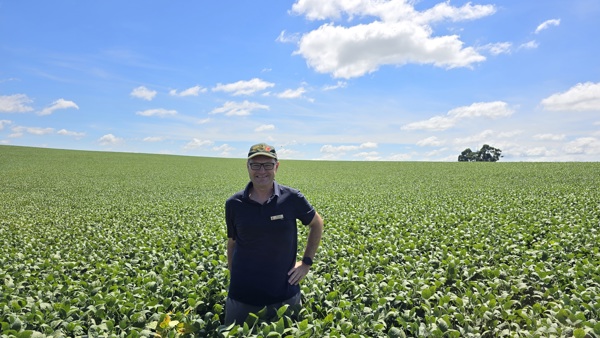
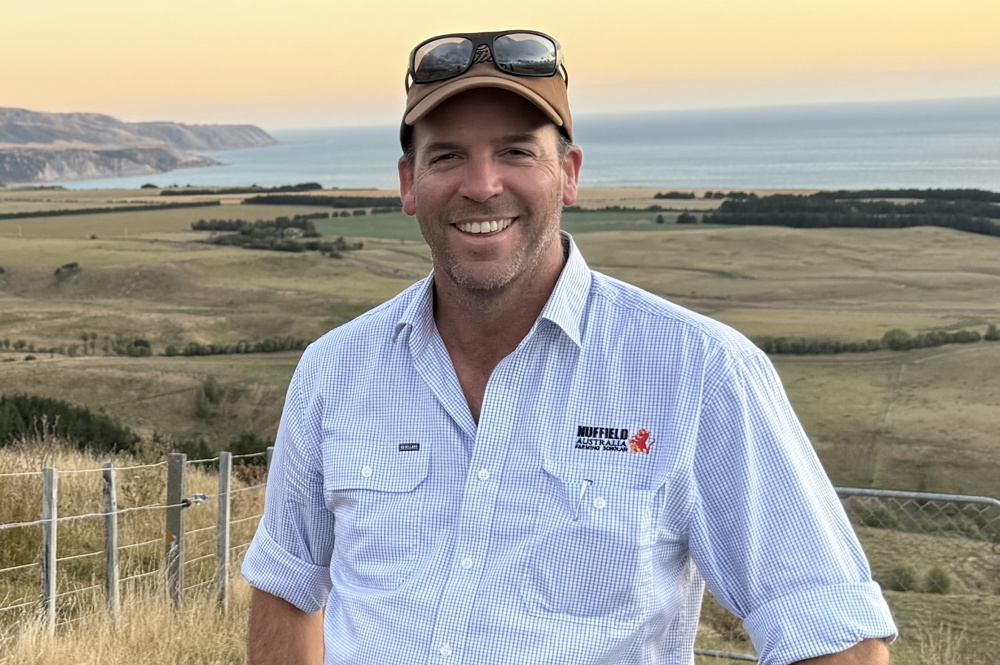
David Woods, 2025 Nuffield Scholar, farms broadacre crops and grazing country with his family near Goondiwindi, Queensland. Supported by GrainCorp, David travelled through the United States, the United Kingdom and New Zealand to understand why so many rural Australians delay reaching out for support until they're in crisis.
“If we are working so hard to build the capacity of rural Australia, why aren't we paying more attention to the capacity we are losing?” David says.
“I lost a close friend to suicide,” David says. “Sometime later I lost another close friend, and I reached the conclusion that I could no longer simply hope someone else would solve this problem. If there was any contribution I could make, I felt I had a responsibility to try.”
The figures underline the scale of the challenge. Mental ill health and suicide cost Australia an estimated $200 to $220 billion a year, and Australia's suicide rate has barely moved in three decades, sitting around 12 deaths per 100,000 people, despite record levels of investment, workforce and awareness. David calls it the engagement paradox: more services haven't necessarily meant more people getting help before they reach breaking point.
“Before travelling, I assumed improving engagement was largely about finding better language,” David says. “Instead, I came to understand that it is the intention behind the language that matters most. The organisations achieving the strongest engagement weren’t simply choosing better words. They had invested time in genuinely understanding the people they hoped to reach.”
Rather than leave the problem as a research finding, David built something from it. The Intercooler is a peer support model now being piloted with small groups of rural men, built around four simple rules: put down what’s heavy, pick up what matters, you must go first, and don’t try to fix each other. It focuses on regular, informal check-ins with a small, confidential peer group, creating a very simple way to discuss what matters most and to regulate pressure as it arises.
His report argues that improving rural mental health isn't just about funding more services, it's about designing ways for people to engage with support long before they reach crisis, in language and settings that feel familiar rather than clinical.
“I took my report to the resting place of the mates I had lost, and read it aloud,” David says of finishing his Scholarship.
David's report calls on rural organisations and communities to treat engagement as a design challenge, not just a service one, testing and investing in approaches that reach people before crisis develops. His own message is simpler still: trust your instincts. If a mate doesn’t seem to be themselves, say so. Rather than asking how they’re feeling, ask what’s been going on, then follow the Intercooler’s rule: Don’t Fix. Listen.
David's full report, sponsored by GrainCorp, is available on the Nuffield Australia website. He presented his findings at the 2026 Nuffield National Conference in Darwin.
If this story raises any concerns for you, Lifeline is available on 13 11 14 and the Rural Support Line is available on 1300 686 175.