Ask the Farmer First: New Nuffield Report Finds Australian Agriculture Is Solving the Wrong Problems
“We have been building clever instruments on top of a broken system. The instruments get more sophisticated but the system keeps producing the same results, burnout, degraded land, and fragile supply chains.”
Australian agriculture doesn't have a shortage of money, research or good intentions. It has a shortage of asking farmers first. That's the blunt finding of a new Nuffield Australia report from 2025 Scholar Maggie Jarrett, who spent two years unpicking why so many programs, policies and sustainability schemes fail to change anything on the ground.
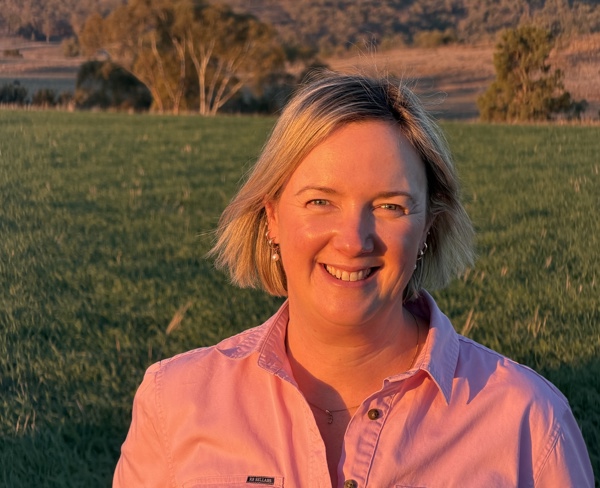
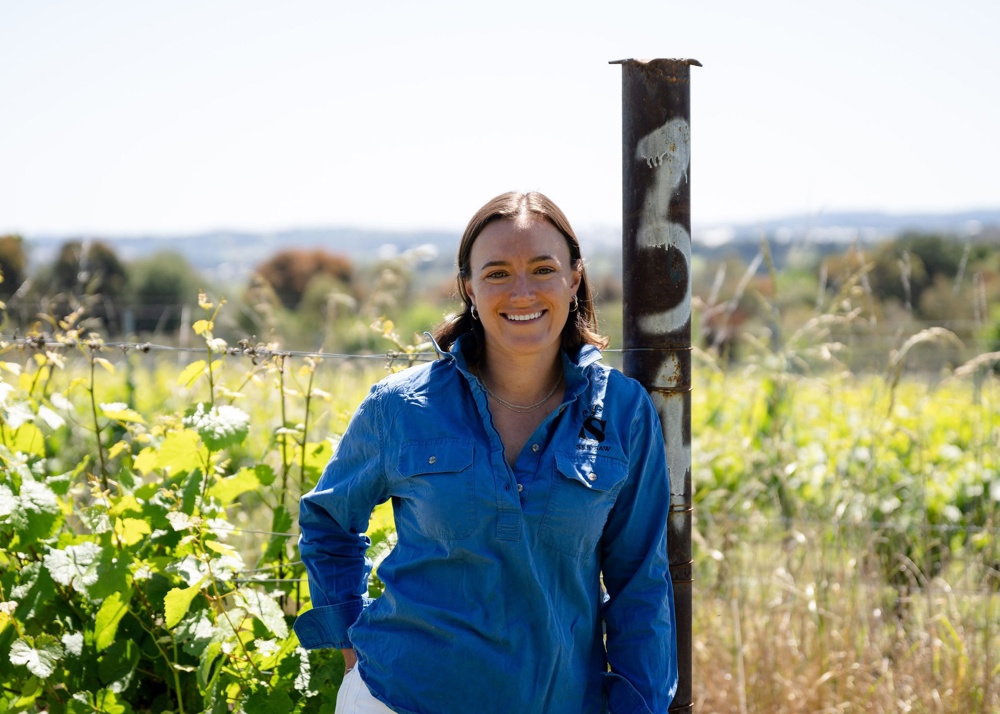
Maggie Jarrett, 2025 Nuffield Scholar, works at See Saw Wines in Orange, NSW, on the family property her parents established in 1991. Supported by AgriFutures Australia, Maggie visited twelve countries, including New Zealand, the United States, Canada, Chile, Ireland and the United Kingdom, to find out why farmers keep being handed solutions to problems they never defined.
“We have been building clever instruments on top of a broken system,” Maggie says. “The instruments get more sophisticated but the system keeps producing the same results, burnout, degraded land, and fragile supply chains.”
Maggie's research found the same pattern everywhere she went: boardrooms and government agencies define the problem, design the solution, and then ask farmers to comply and report back. In Australia, that shows up as almost $3 billion a year in agricultural research and development spread across more than 3,500 active projects, with no consistent way of measuring whether any of it makes farmers better off.
In Chile, Maggie watched a farmer plough more than 30 per cent of his carrot crop back into the ground, rejected by supermarkets over shape and size, while sustainability frameworks further up the supply chain chased carbon targets that never touched the actual problem on his farm. It's the kind of gap she found again and again: real money and real effort, with no line running back to what farmers actually need solved.
Her report sets out eight recommendations for redesigning Australia's agricultural institutions around farmers instead of around them, from mapping risk at the farm level before funding decisions are made, to holding research corporations accountable for outcomes farmers can actually see, to legislating farm policy that survives a change of government.
Maggie's full report is available on the Nuffield Australia website. She presented her findings at the 2026 Nuffield National Conference in Darwin.