2027 Nuffield Scholars announced at National Conference in Darwin
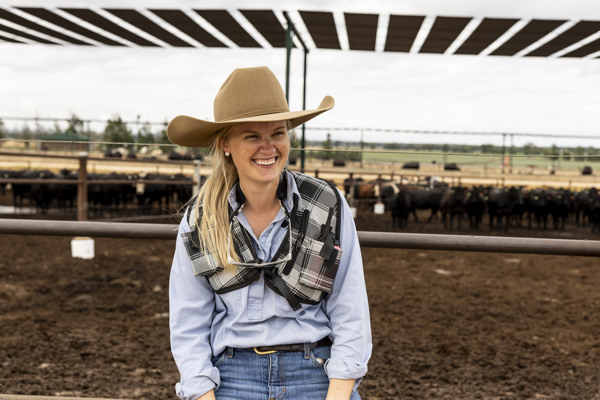
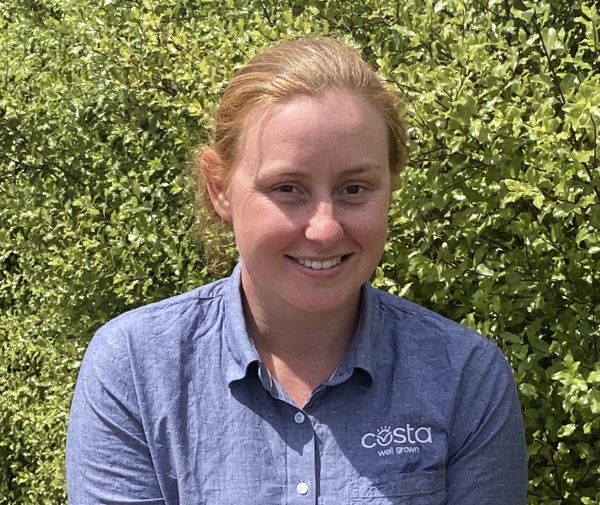
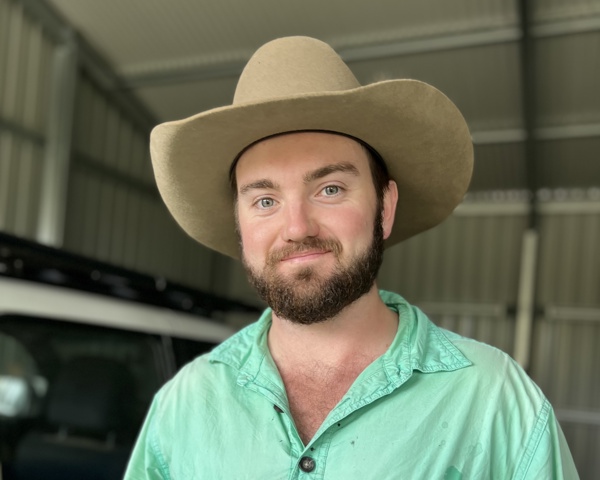
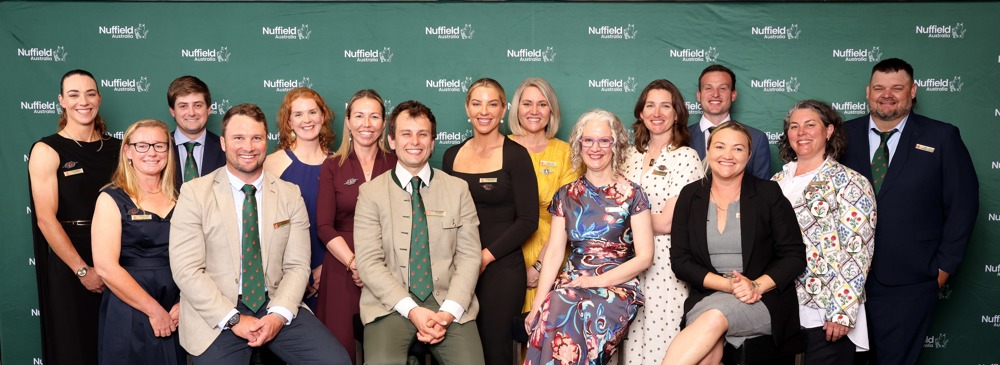
Ranging from sugarcane to wild-caught prawns, Nuffield Australia’s latest crop of scholarship recipients have officially been announced at the National Conference held at the Darwin Convention Centre.
Over the coming 18 months, the 14 new scholars will undertake 14 weeks of international travel, investigating cutting-edge agricultural developments, global supply chains, and emerging technologies before sharing their findings directly with industry peers across Australia.
Nuffield Australia CEO and former 2015 scholar Andy Clarke praised the calibre of this year’s incoming cohort, and the potential of their research to address critical industry challenges.
“Our new scholars embody the curiosity and drive that define Australian agriculture,” Mr Clarke said.
“Their commitment to learning from global leaders and adopting innovative practices will help build on the world-leading knowledge we already have here in Australia, unlocking new opportunities, and strengthening primary industries nationwide.”
This year’s conference aligns with Nuffield Australia’s theme, ‘Beyond the horizon: leading agriculture's next frontier’,reflecting an ongoing commitment to fostering leadership and championing on-ground innovation.
“A Nuffield Scholarship enables farmers to explore global solutions, and return with new ideas that shape a more resilient, profitable, and sustainable future,” Mr Clarke said.
“For 76 years, scholars have brought global insights home to Australia. Their research strengthens not only their own enterprises but the broader industry through shared learning and networks.”
Among the cohort announced are five scholars supported by the Australian Government’s Future Drought Fund. These scholars will focus specifically on practical, on-farm strategies and community-focused solutions to help regional Australia manage dry conditions and climate variability.
“Drought resilience isn't just an on-farm challenge, it impacts entire rural communities, regional economies, and supply chains,” Mr Clarke said. “The drought resilience scholars will tackle these challenges head-on to ensure our sector remains adaptable and thriving.”
Each scholar receives a $40,000 bursary to invest in global research and travel, providing them direct access to world-leading agricultural businesses, research institutions, and policymakers.
This cohort will join a globally recognised alumni network who continue to enhance their farming systems and boost production as a direct result of their international studies.
The 2027 Scholars
New South Wales
- Kristen Clark from Tocomwal. Supported by the Future Drought Fund, Kristen will study how advanced technology and digital farm models can serve as objective decision-support tools, helping dairy producers optimise fodder, water efficiency, and farm management to build long-term drought resilience.
- Rebecca Fing from Boggabilla. Supported by AgriFutures Australia. Rebecca will study leadership and cultural frameworks that drive safety outcomes in agriculture, investigating how international primary production sectors shift farm safety from a compliance exercise into a deeply embedded workplace culture to reduce workplace fatalities.
- Ellenor Nixon from Merriwa. Supported by the Future Drought Fund, Ellenor will study collaborative models between agriculture and conservation, investigating how balancing land stewardship with productive farming can build drought resilience, strengthen social licence, and protect environmental health.
- Harry Tyson from Wagga Wagga. Supported by Hort Innovation Australia, Harry will study how automation and sustainable practices can enhance turf farm operations, exploring global technologies to improve business efficiency, reduce production costs, and strengthen the industry's environmental credentials.
Queensland
- John Board from Blackrock. Supported by bp, John will study sugarcane circular bio-economy models, exploring how expanding into ethanol and renewable fuels alongside traditional sugar production can boost grower profitability, secure regional jobs, and revitalise eastern Australia's sugar industry.
- Jacky Cartwright from Minyama. Supported by the Fisheries Research and Development Corporation, Jacky will study international downstream value-adding models for wild-caught prawns, investigating functional, nutritional, and processing pathways to maximise returns and reduce waste for the commercial fishing sector.
- Sam Fryer from Hughenden. Supported by Rabobank, Sam will study alternative pathways for the next generation of primary producers to gain land access and farm ownership, exploring global ownership models like leasing, succession and partnerships to help young farmers succeed in agriculture.
- Heidi Millership from Windorah. Supported by Meat and Livestock Australia, Heidi will study practical decision-making frameworks for water harvesting, storage, and distribution in extensive beef enterprises, exploring international strategies to optimise carrying capacity and enhance drought resilience.
Victoria
- Ivan Blacket from Pennyroyal. Supported by the Future Drought Fund, Ivan will study intergenerational agroforestry systems, exploring how integrating trees, silvopasture, and farm forestry can boost drought resilience, improve soil health, and diversify farm income.
- Lucy Etheridge from Gruyere. Supported by the Future Drought Fund, Lucy will study natural capital quantification models and ESG frameworks, exploring how primary producers can measure, value, and monetise environmental assets to build climate resilience and access high-value global markets.
- Rachael McGrath from Orford. Supported by the Gardiner Foundation, Rachael will study international drivers of on-farm technology adoption, exploring how the dairy sector can overcome implementation barriers for innovations like virtual fencing, cow wearables, and advanced reproductive tools to boost farm productivity.
Western Australia
- Jodi Duncan from Ravensthorpe. Supported by Grains Research and Development Corporation, Jodi will study intergenerational farm business transfer strategies, focusing on balancing equity, equality, and long-term care to seamlessly include family members with disabilities.
- Billi Marshall from Milo. Supported by CSBP Fertilisers will study ways to increase the adoption of advanced reproductive technologies in commercial beef operations to drive genetic gain and improve herd profitability.
South Australia
- Angus Smith from Carcuma. Supported by the Future Drought Fund, Angus will study post-drought business recovery strategies, examining how livestock enterprises and other industries globally rebound from shocks to rebuild profitability and long-term resilience.