Tasmanian Salmon Industry Poised to Set Global Standard
“The future of salmon farming depends on collaboration across the supply chain, investment in ecosystem-based models, and meaningful engagement with communities to build trust and long-term sustainability.”
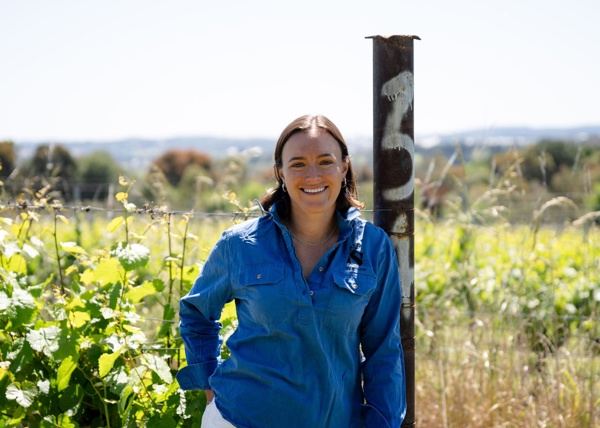
A Tasmanian salmon industry expert has travelled the world to explore the challenges and opportunities of salmon aquaculture and how Tasmania can position itself as a global leader in sustainable fish farming.
Joana Ferreira Mendes, a 2023 Nuffield Scholar from Tasmania, visited leading aquaculture regions, including Canada, Chile, Norway, Scotland, and New Zealand, as part of her scholarship supported by the Fisheries Research and Development Corporation (FRDC).
Joana’s research highlights the growing pressures of climate change on salmon farming, including rising water temperatures, disease outbreaks, and ecosystem shifts. She explored innovative strategies such as selective breeding, recirculating aquaculture systems (RAS), and ecosystem-based models integrating species like seaweed and mussels to reduce environmental impacts.
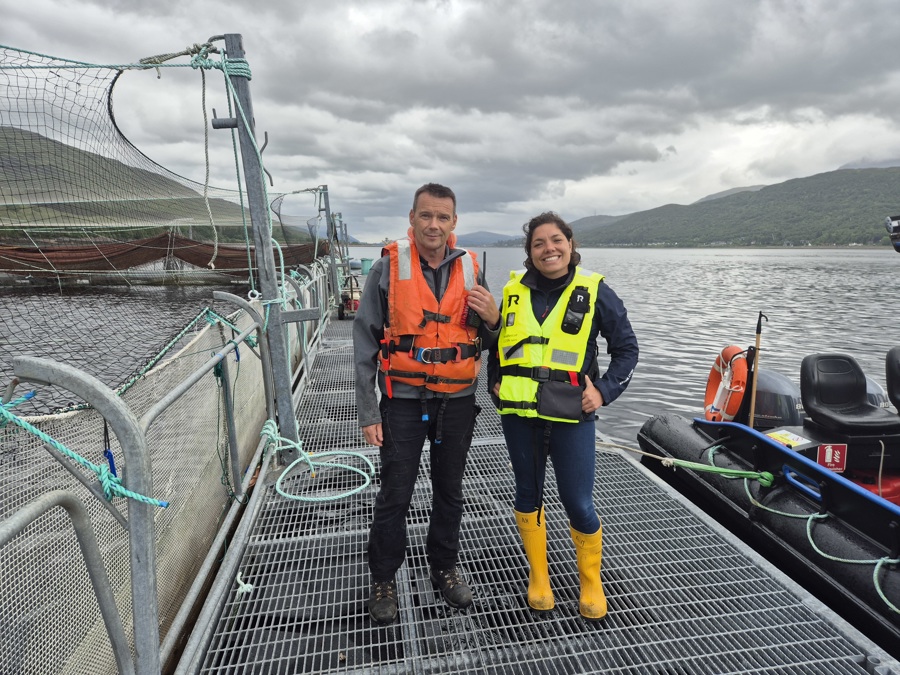
Joana travelled to Canada, Chile, Norway, Scotland, and New Zealand
Her findings emphasise that Tasmania’s geographical isolation, strong biosecurity measures, and streamlined farming processes position the state as a model for sustainable salmon aquaculture. However, the industry must proactively address public perceptions by improving transparency, strengthening relationships with NGOs, and investing in community engagement initiatives.
“Tasmania’s salmon industry has unique advantages, including the absence of native salmon populations and sea lice, which reduces disease pressure. By fostering stronger partnerships and embedding sustainability into every aspect of the supply chain, Tasmania can become a world leader in responsible aquaculture,” Joana says.
Joana presented her findings at the 2024 Nuffield Australia Conference in Launceston, sharing insights with industry leaders, researchers, and fellow scholars. Her full report is now available on the Nuffield Australia website.
Looking back on her scholarship experience, Joana says the opportunity to explore global aquaculture has been invaluable to both her professional and personal growth. She encourages others to consider applying for a Nuffield Scholarship.
“The Nuffield journey has broadened my perspective and connected me with an incredible global network of forward-thinking agricultural and aquaculture professionals. If you’re passionate about your industry and want to drive change, I highly recommend applying.”
Applications for the 2026 Nuffield Australia Scholarships open on 17 February 2025.