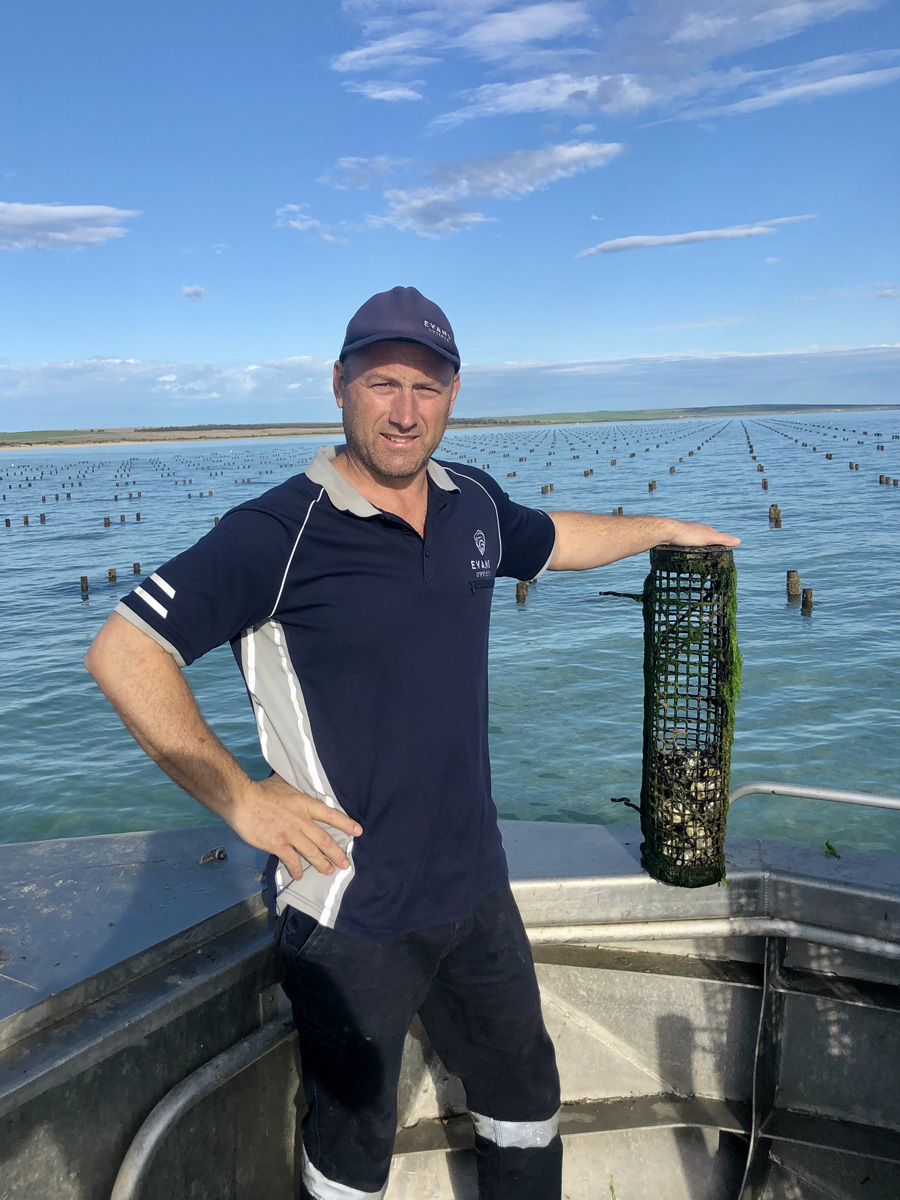
Paul Evans

Fat, White and Plump: Breeding a Faster-Recovering Oyster for South Australia’s Pristine Waters
Every summer, Pacific oysters spawn and burn through the fat, white, plump meat that makes them worth selling. In a good year, South Australian farmers have them back in condition within two weeks. In a bad year, sales stall for months.
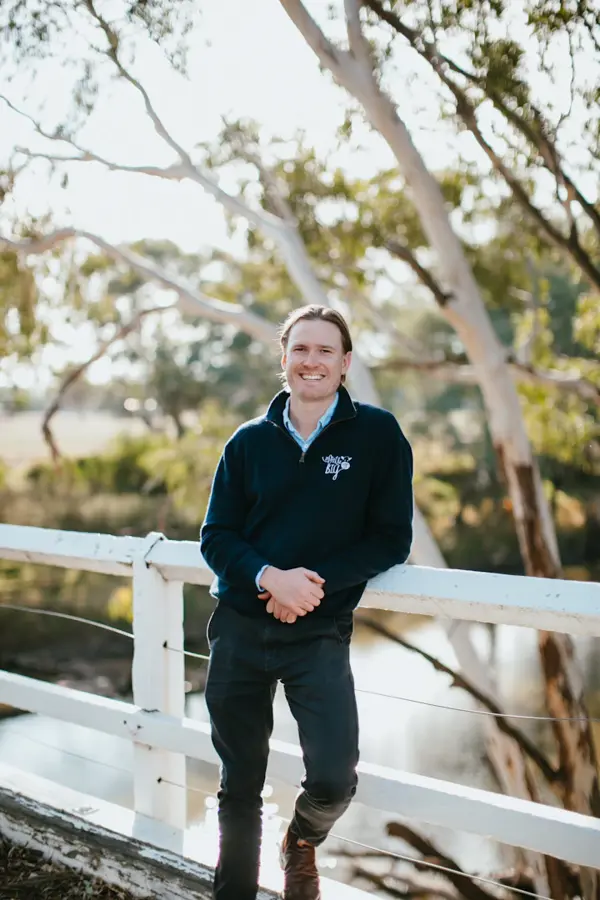
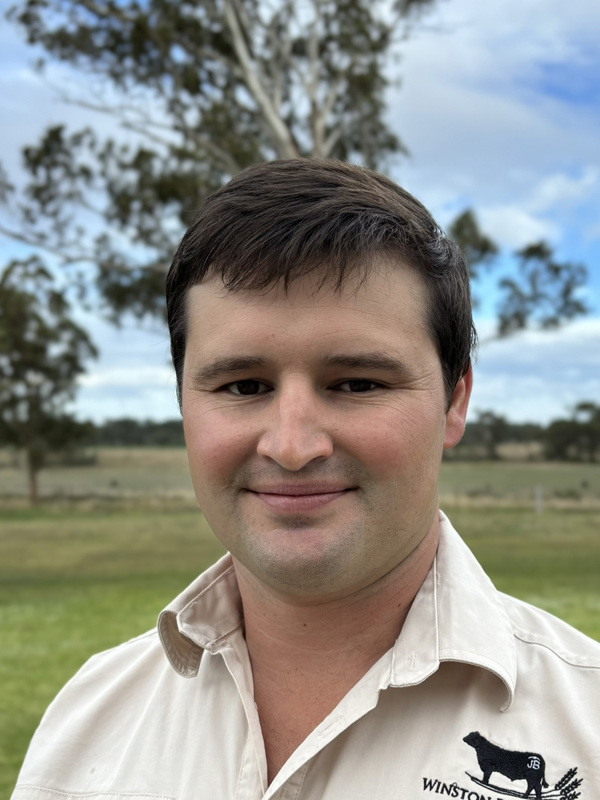
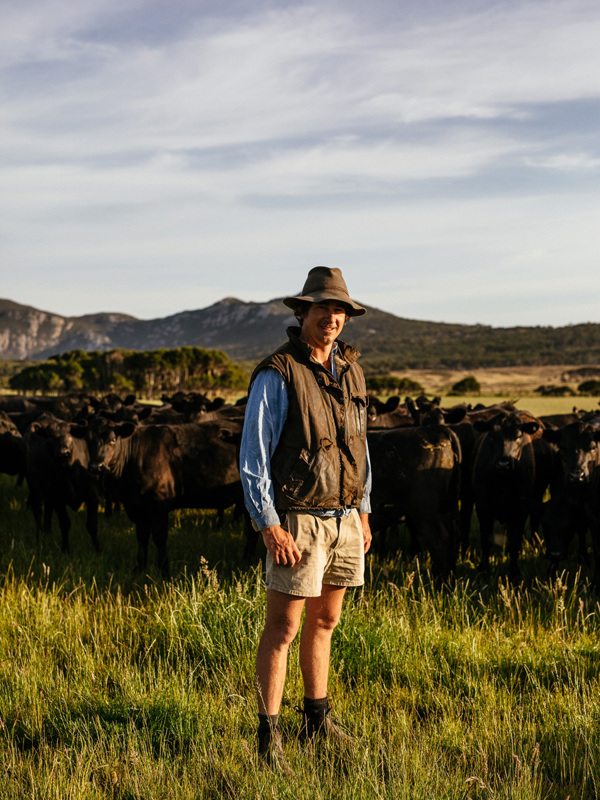
Paul Evans has farmed Pacific oysters at Streaky Bay on South Australia’s Eyre Peninsula for 14 years on a family farm that has been operating for 32 years. His Nuffield Scholarship set out to answer one practical question: can we breed an oyster that regains condition more efficiently, on less available food?
“If the environment is identical, the difference in oyster condition must be in the genetics and if it is in the genetics, surely, we can select for it,” Paul says.
Each lost month of sales costs a farm about eight per cent of its annual revenue. In 2025-26, spawning, a marine heatwave and low food hit at once, what New Zealand geneticist Dr Mark Camara calls “The Triple Whammy”. By June 2026, Paul’s oysters still had not fully recovered.
Across seven countries, Paul found most regions farm in food-rich waters where oysters recover quickly. But that lean water is also what makes SA oysters so clean: unlike many overseas producers, who must hold oysters in cleaned salt water for up to seven days, SA growers send theirs straight from the water to the plate.
Back home, Paul hosted an on-farm trial with the Australian Seafood Industries (ASI) breeding program, placing 20 family lines side by side and measuring their condition six times between December 2025 and May 2026. Independent analysis by the Center for Aquaculture Technologies (CAT) in San Diego found a clear genetic signal, with the final May measurement producing the strongest result of the whole trial. “The results that CAT returned were more encouraging than I had dared hope and stronger than some of the previous scientific literature had suggested possible,” Paul says.
Paul’s answer is two tools working together: restoring triploid spat through SA hatcheries, lost since a 2016 POMS quarantine ban on Tasmanian spat and breeding diploid oysters that condition faster. He wants conditioning made an ASI selection trait, with side-by-side demonstrations in growers’ bays.
“We are not only trying to solve today’s problem, we are trying to build an oyster that can condition efficiently in a more difficult climate future,” Paul says.
Investor Information:
The Fisheries Research and Development Corporation (FRDC) is a co-funded partnership between the Australian Government and fisheries and aquaculture. FRDC is a statutory corporation under the Primary Industries Research and Development Act 1989 (the PIRD Act) and is responsible to the Minister for Agriculture, Fisheries and Forestry.
Website: www.frdc.com.au
Facebook: @FRDCAustralia
Instagram: @frdc_au