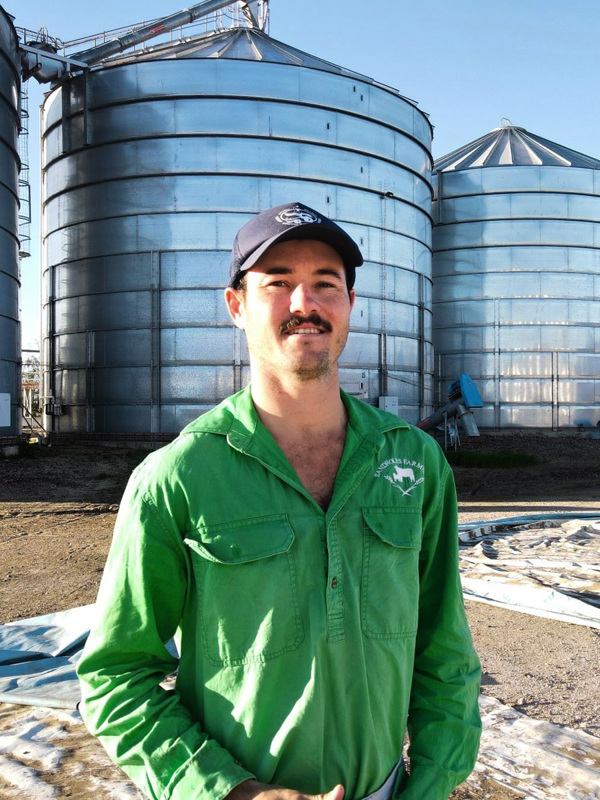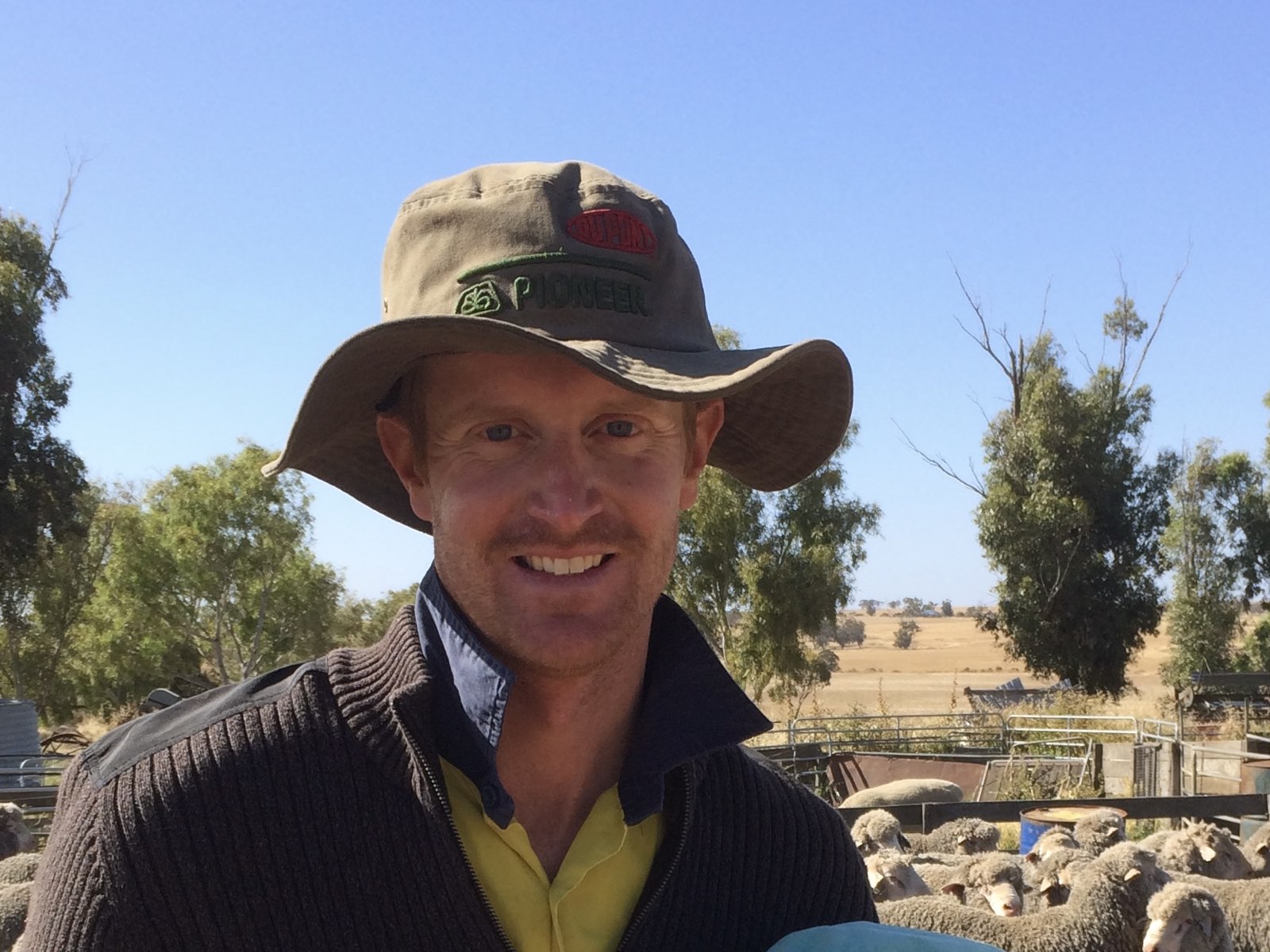
Daniel Dempster
Lower Peaks, Shallower Troughs: Putting Soil Health Principles to the Profit Test
Keep the soil covered, grow more plant species, disturb the soil less, keep living roots in the ground and bring in livestock. The five soil health principles are widely promoted, and some overseas forecasts claim they can lift farm profits by as much as 120%. But what do they actually do to a grower’s bottom line?
Goomalling-based 2023 Nuffield Scholar Daniel (Dan) Dempster set out to find an honest answer. Supported by the Grains Research and Development Corporation (GRDC), Dan met growers in the United States, Canada and the United Kingdom, and looked at real farm business results rather than forecasts that “rely on an immense number of assumptions”.
“In my area (Western Australia), there are a number of growers that have promoted this type of agriculture, that are no longer farming,” Dan says. “Generally, this is for non-financial reasons, but I cannot help wondering whether that is part of the equation.”
The data points to a clear pattern. Over four years in the UK, conventional growers made £97/ha more profit on average than the Groundswell group of regenerative farmers. But the Groundswell growers spent £134/ha less on variable costs and £128/ha less on fixed costs, and in the poor 2020 season they came out ahead, with a total margin of £111/ha against £86/ha.
“In a favourable year, the conventional system produces more grain, and the additional fertiliser and herbicide spend is comfortably repaid,” Dan says. “In a poor year returns converge, and the lower-cost system carries less downside.”
Closer to home, a low-input WA farming system known as Tolga showed the same trend. Its gross margin was comparable to the median of Planfarm’s benchmarking dataset, but its returns varied less from year to year, similar to the top 25% of that dataset. Dan sums it up in four words: “Lower peaks, shallower troughs.”
Two farmers Dan met show how the same logic can lead to opposite choices. An Ontario grower adopted the principles because “It’s all about risk… I can control my inputs”. A Cambridgeshire farmer is holding off for the same reason: “I know what I’m doing works… I just need to see them work first.”
Dan’s advice depends on the grower. If profit is the main goal, or you expect good seasons, a conventional path is likely the best way forward, especially in the short term. If you expect tougher seasons ahead, a lower-cost system built on the soil health principles is likely to aid resilience, though support for that approach is far less available. Of the five principles, he sees plant species diversity as the most promising for WA, provided in-crop weed control can be managed.
He also found a small group of growers doing both: running profitable businesses while trialling new practices on a small scale and keeping a constant eye on profit. Dan wants researchers to seek out and work with these growers so the whole industry can learn from them.
“Neither position is wrong; they are different views on risk and future outlook,” Dan says.
Investor Information:
GRDC is one of the world’s leading grains research organisations responsible for planning, investing in and overseeing research, development and extension to deliver improvements in production, sustainability and profitability across the Australian grains industry.Facebook: theGRDC
Twitter: @theGRDC
Website: www.grdc.com.au