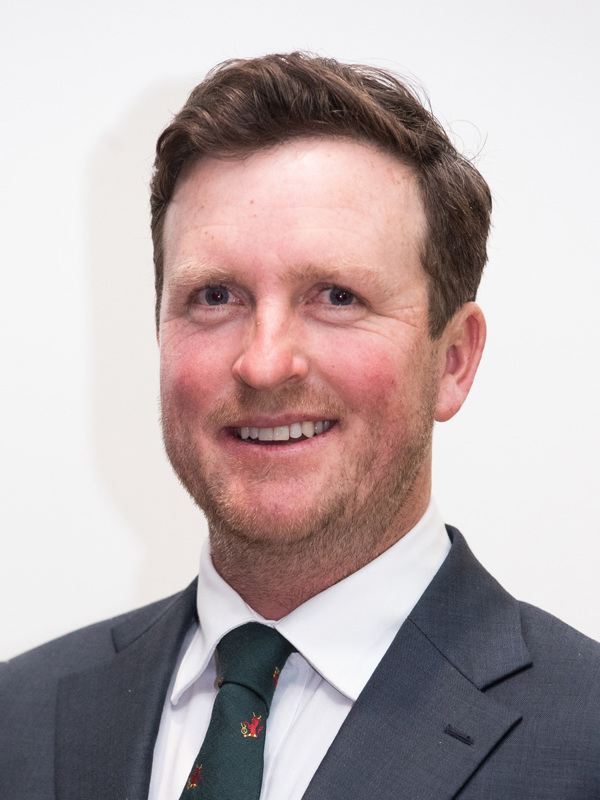
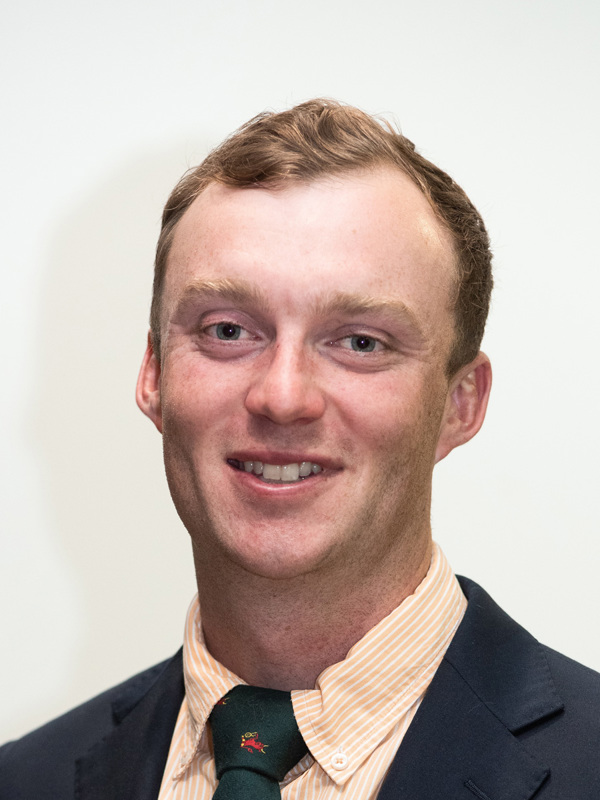
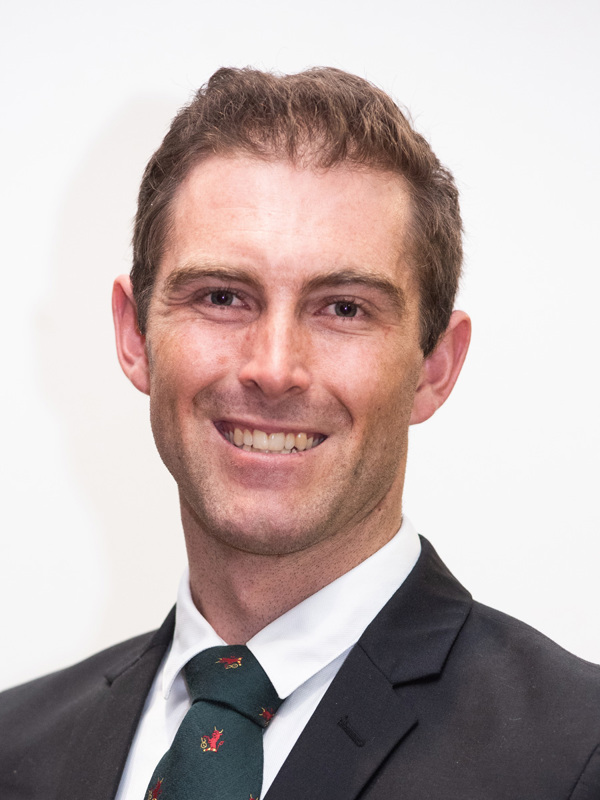
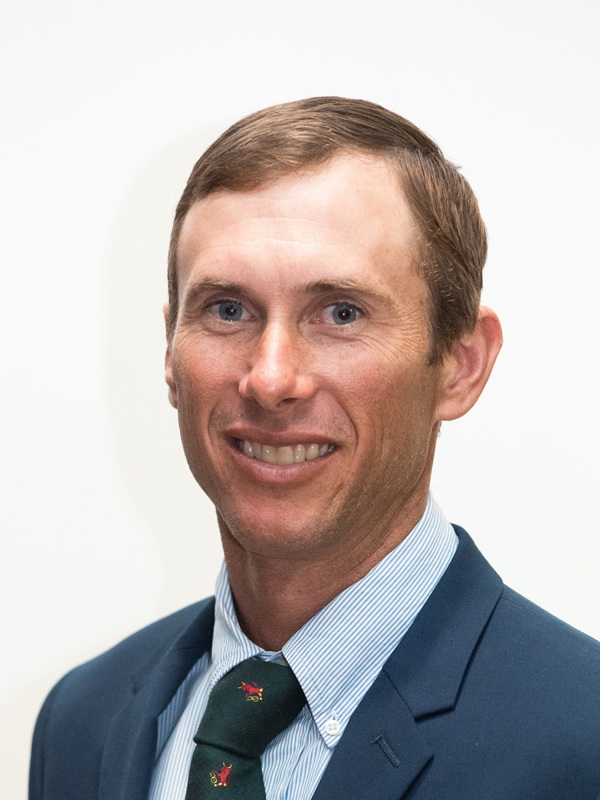
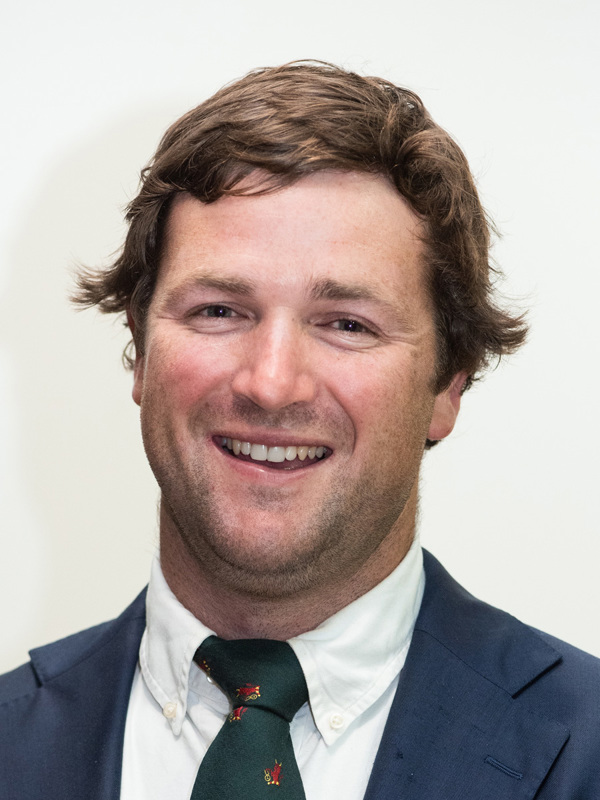
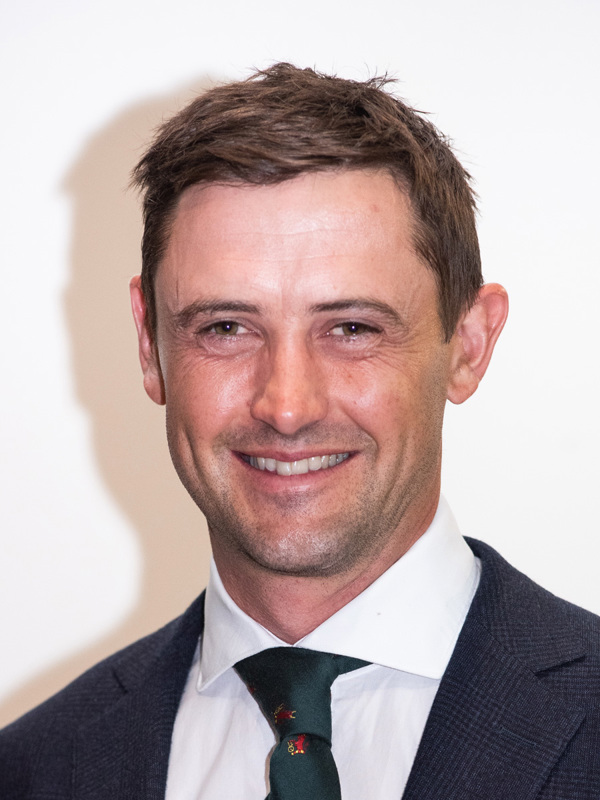
Harry Kelly

Know Your Numbers: Victorian Farmer Shares What He Learned About Investment in Australian Agriculture
A fourth-generation Victorian farmer is sharing what his Nuffield research taught him about how owner operators evaluate investment and growth in their businesses — and what he thinks the industry could do differently.
Harry Kelly, 2020 Nuffield Scholar and farmer from Caramut in western Victoria, has released a comprehensive report examining investment models available to owner operators in Australian agriculture. Supported by Rabobank, Harry’s research explores what makes agriculture an attractive investment, how owner operators can better evaluate business performance, and what funding models are available to those looking to enter or expand in the industry.
“I went into this research wanting to understand why some farming businesses grow and others stand still, despite similar conditions and opportunities,” Harry says. “What I found is that a lot of it comes down to commercial acumen — understanding your numbers, knowing what you’re actually earning on your land versus your operation, and making strategic decisions from there.”
Harry presented his findings at the 2023 Nuffield National Conference in Perth, drawing on research conducted across Singapore, Japan, Israel, Denmark, and the United States, combined with interviews with farming owner operators, corporate investment groups, and finance industry experts across Australia.
A central finding of the report is the importance of separating land assets from the operating entity when evaluating business performance. Australian farmland has grown at a national median price of 8.5% per year from 2003 to 2023, outperforming other asset classes including equities and housing. Yet operating returns from farming businesses remain much harder to achieve, with average rates of return sitting at 2.9% for broadacre cropping, 0.8% for livestock, and 2.5% for dairy.
“When you bundle land and operations together, a strong land value can mask a business that isn’t actually performing as well as you think. I found that out in my own situation — and I think it’s worth any operator asking the same question of their business,” Harry says.
The report identifies farm size as a significant driver of profitability. ABARES data shows that the top 10% of broadacre farms by size generate 55% of total industry output, with a rate of return of 15.7%, compared to just 5.3% for the bottom 10%. Harry argues this trend should prompt owner operators to think seriously about how and when to grow.
“The data is clear — larger operations tend to perform better. That doesn’t mean every farmer needs to rush out and buy more land. What it means is that growth needs to be planned, financially evaluated, and pursued with the right model for your situation.”
The report outlines five investment models suited to different circumstances: debt financing, equity financing, vendor financing, lease arrangements, and share farming. Harry highlights leasing and share farming in particular as underutilised entry points for those looking to expand without the capital outlay of land purchase.
“For new entrants especially, leasing or share farming can be a practical and lower-risk way into the industry. It lets you build track record, cash flow, and industry networks before committing to a major capital investment. A lot of farmers overlook this pathway.”
Harry also points to the value of regularly reviewing key financial metrics, particularly Return on Equity (ROE), Return on Assets (ROA), and working capital turnover — the same measures that banks and investors use when assessing a business.
“I don’t think this is about farmers not caring about their numbers — most of us care deeply. It’s more that the tools and habits to regularly review metrics like ROE and ROA aren’t always front of mind when you’re in the thick of running a farm. That’s something I’ve been working on in my own business, and the research reinforced why it matters.”
Harry’s Nuffield Scholarship was supported by Rabobank, whose ongoing commitment to Australian agriculture and agribusiness continues to support farmers and industry leaders across the country.
Harry’s full report, Investment Models in Agriculture: Supporting Owner Operators to Enter or Expand, and his presentation at the 2023 Nuffield National Conference in Perth, are available on the Nuffield Australia website.
Investor Information:
Rabobank Australia is a part of the international Rabobank Group, the world’s leading specialist in food and agribusiness banking.
In addition to agribusiness finance and business support, Rabobank provides access to a host of specialists whose expertise ranges from succession planning and business management education through to commodity price and foreign exchange risk management, as well as 90 international food and agribusiness analysts and an impressive global network of farming clients in 38 countries.
Website: www.rabobank.com.au
Twitter: @RabobankAU