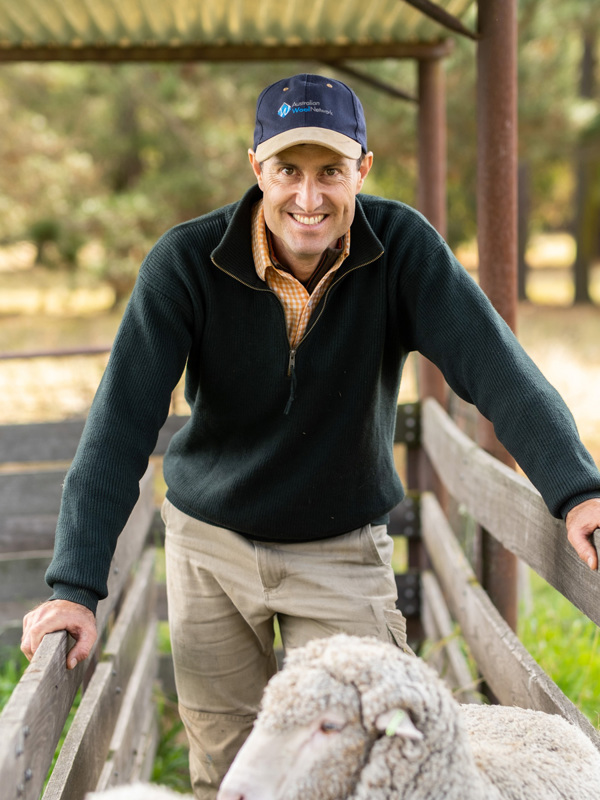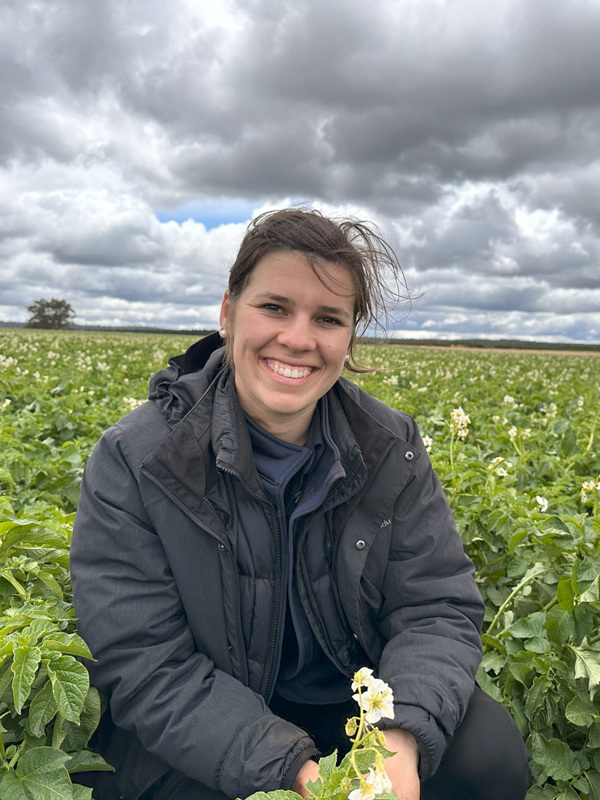
Paul McGorman

A Barossa Valley grain farmer is urging Australian producers to pay attention to a fast-growing global trend - and to consider what it could mean for their bottom line.
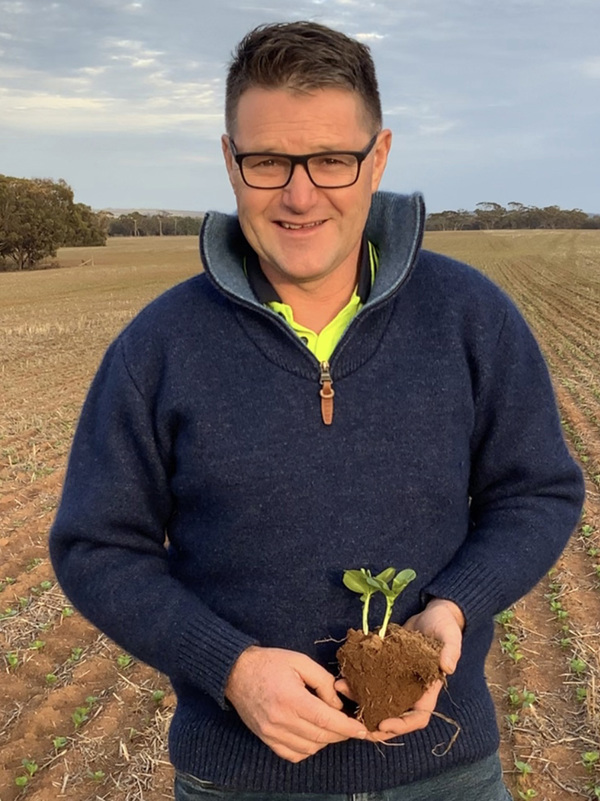
Paul McGorman, 2024 Nuffield Scholar and broadacre farmer from Angaston in South Australia, has released a comprehensive report investigating the practical potential of biochar in Australian farming systems. Supported by the Grains Research and Development Corporation (GRDC), Paul's research examines why the global biochar industry is resurging, how Australian farmers can use and benefit from biochar, and what business models could work here at home.
"Biochar had always been on my radar - we'd done small trials on our own place - but I didn't fully understand the scale of what was happening globally. Once I started digging in, it became clear that other countries are seriously investing in this, and Australia risks being left behind," Paul explains.
Paul travelled to Brazil, Indonesia, France, Denmark, the USA, Chile, New Zealand, Italy, Japan and across regional Australia to investigate biochar production, application, and the business models behind it. A standout moment came in Denmark, where the government introduced the world's first carbon tax on livestock emissions and committed approximately AU$2.4 billion to biochar adoption as a central pillar of its net-zero strategy.
"Seeing Denmark make that kind of investment in biochar was a turning point for me. They've identified it as one of the most proven and cost-effective ways to sequester carbon and improve soil health at scale. If that model extends across Europe - and it's looking likely - it will have real implications for Australian farmers," he says.
The report outlines three practical production models suited to Australian conditions: a medium-scale centralised model, a small-scale mobile model, and a medium-scale cooperative model. Each carries different capital requirements, revenue streams, and risk profiles. Paul found that the most financially resilient operations generate income from at least two of three sources: physical biochar sales, energy production from the pyrolysis process, and carbon credits.
"A medium-scale operation producing 1,000 tonnes of biochar per year could potentially earn over AU$550,000 in carbon credits alone, on top of biochar and energy revenues. The numbers can stack up - but only when the business is set up properly, with consistent feedstock and a clear market strategy," Paul says.
Paul also investigated how farmers are already using biochar in their operations. A South Australian dairy trial found that feeding 150 grams of biochar per cow per day resulted in a net annual profit improvement of approximately AU$72,000 through increased milk yield and improved feed conversion. Closer to home, Paul's own property Ballintapper Farms near Angaston has been trialling a biochar and pig manure compost blend, with early results showing strong improvements in soil microbial activity and biology.
"We're seeing positive results at home already. Biochar isn't a silver bullet - it works best as part of a broader soil health program - but the evidence from around the world is compelling, and it's only getting stronger."
The report calls on the Australian government to develop financial incentives for biochar production and adoption, similar to programs already operating in the USA, Denmark, and California. Paul also urges industry to work towards including biochar within Australia's carbon credit framework and to prioritise education through commercial agronomists and nutritionists, who he identifies as a trusted and underutilised pathway for farmer engagement.
"Australia is behind on this, and we need to catch up. The industry groups, researchers and early adopters are doing great work - but we need government support to unlock the full potential of biochar for Australian agriculture."
Paul's Nuffield Scholarship was supported by the Grains Research and Development Corporation (GRDC), whose ongoing investment in research, development, and extension continues to benefit Australian grain growers.
Paul's full report, Biochar's Potential in Australian Farming Systems, and his presentation at the 2025 Nuffield National Conference in Adelaide are available on the Nuffield Australia website.
Investor Information:
GRDC is one of the world’s leading grains research organisations responsible for planning, investing in and overseeing research, development and extension to deliver improvements in production, sustainability and profitability across the Australian grains industry.
Website: www.grdc.com.au
Facebook: theGRDC
Twitter: @theGRDC