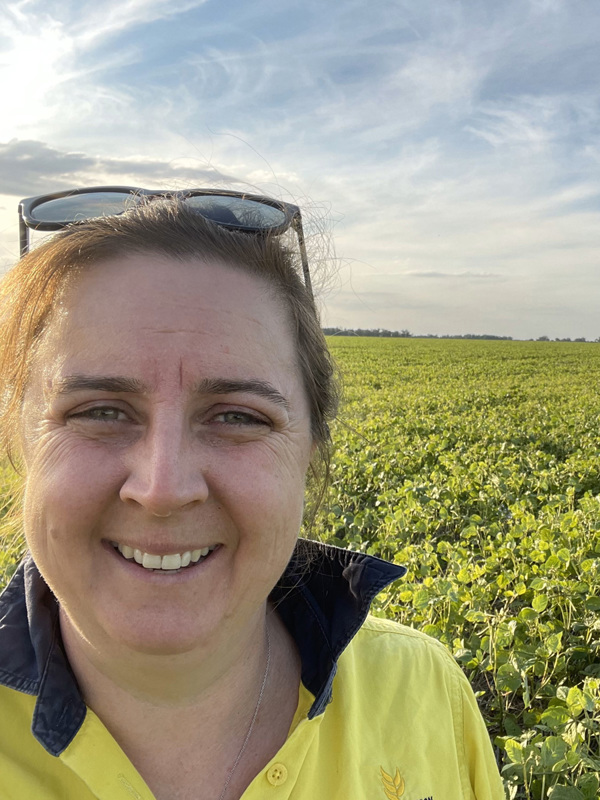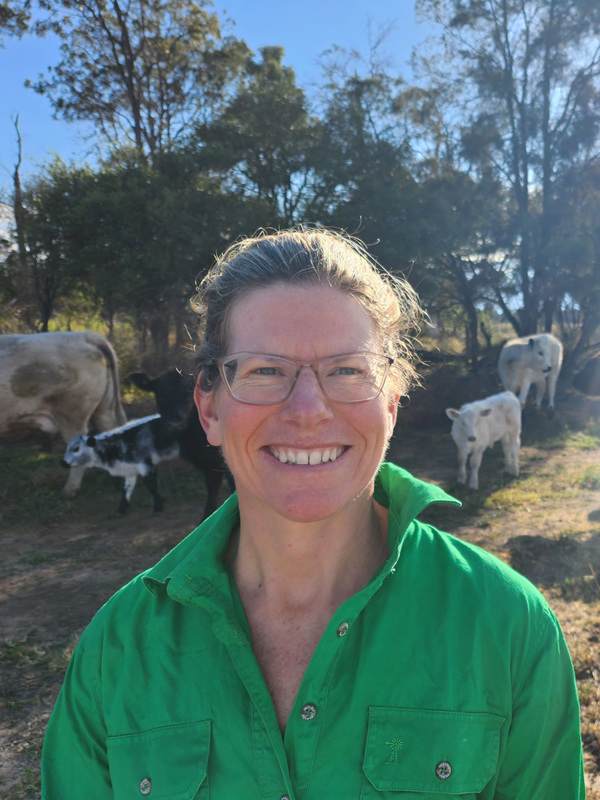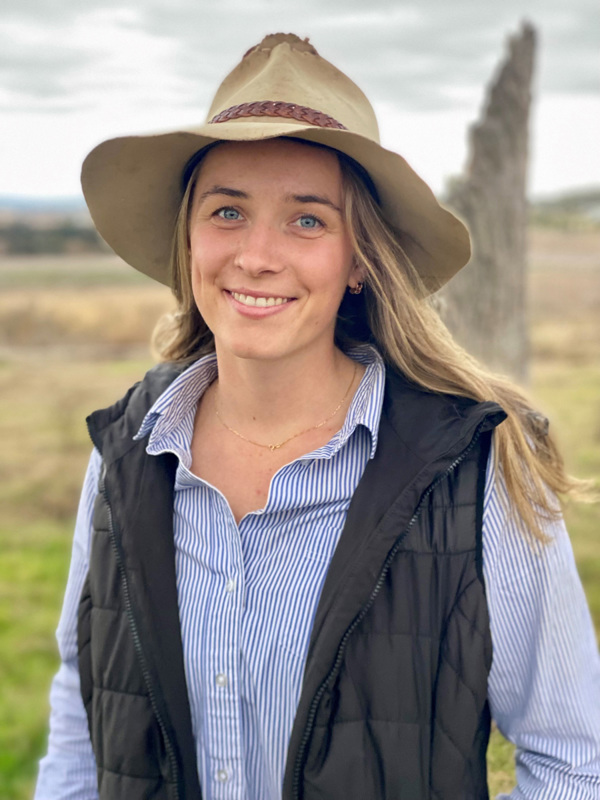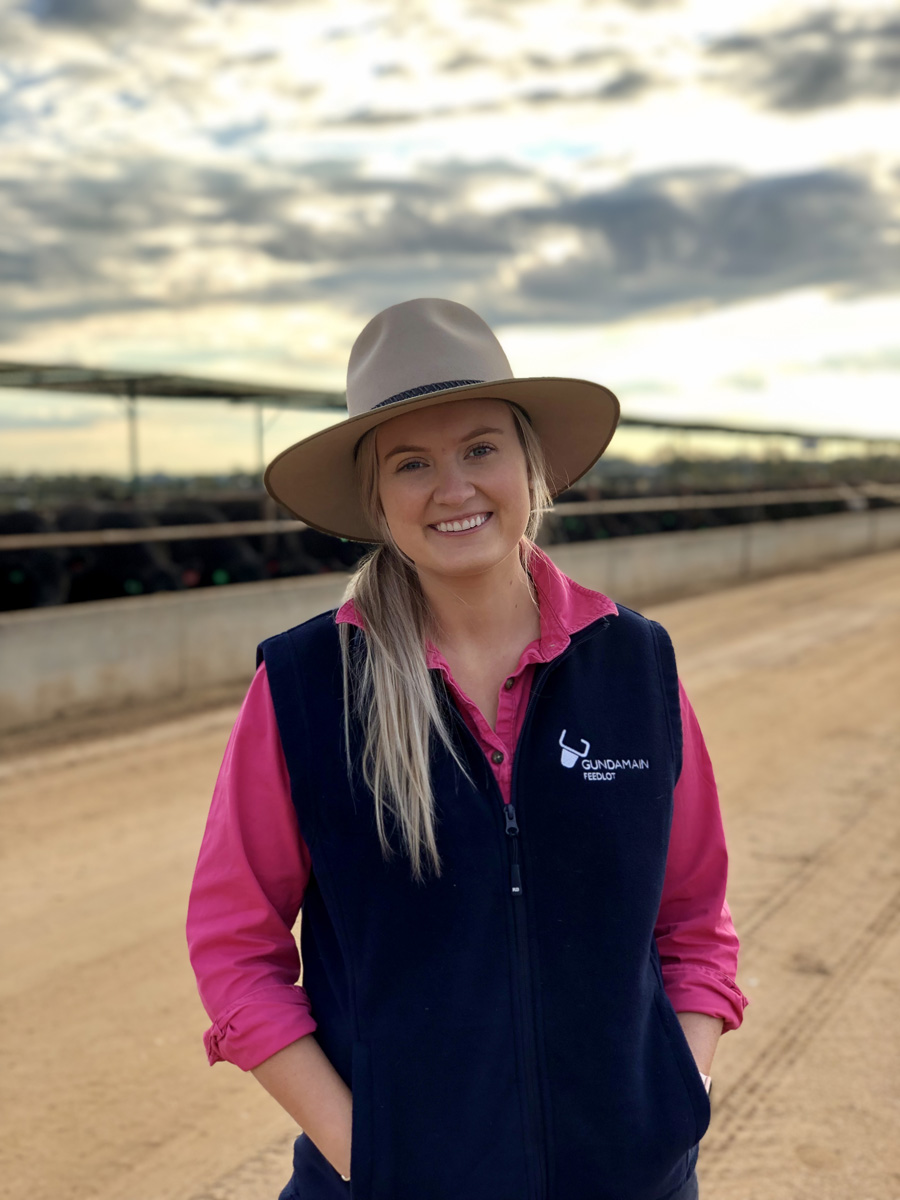
Caitlin Herbert
Lotfeeding for the Long Haul: Feedlots as a Critical Link in a Drought-Resilient Beef Supply Chain
When drought tightens its grip, options matter. This is the key take home message from Caitlin Herbert’s Nuffield research which shows feedlots have become a critical link in a drought-resilient beef supply chain.
The research explains how these facilities offer more than just a finishing system for cattle – they have become a critical risk management tool used by the supply chain to flatten seasonal shocks, keep cattle moving and ensure that high-quality beef supply continues to be delivered to customers.
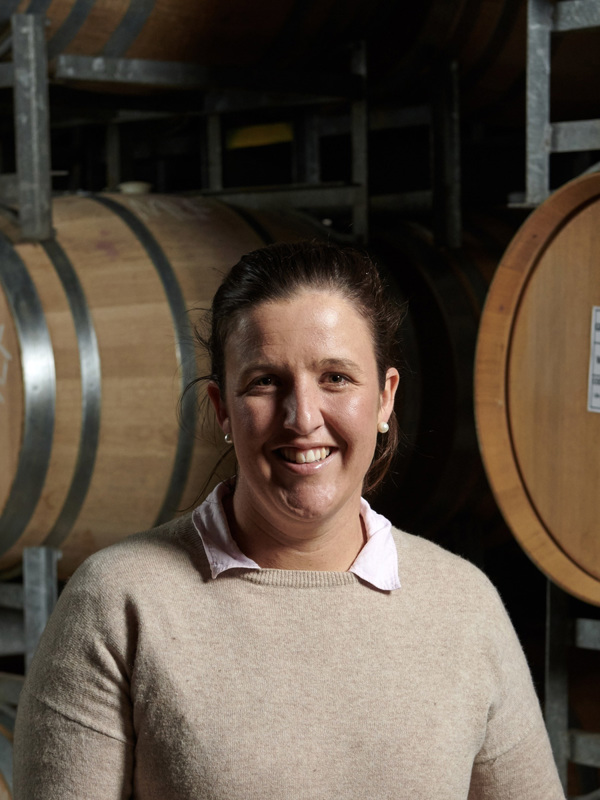
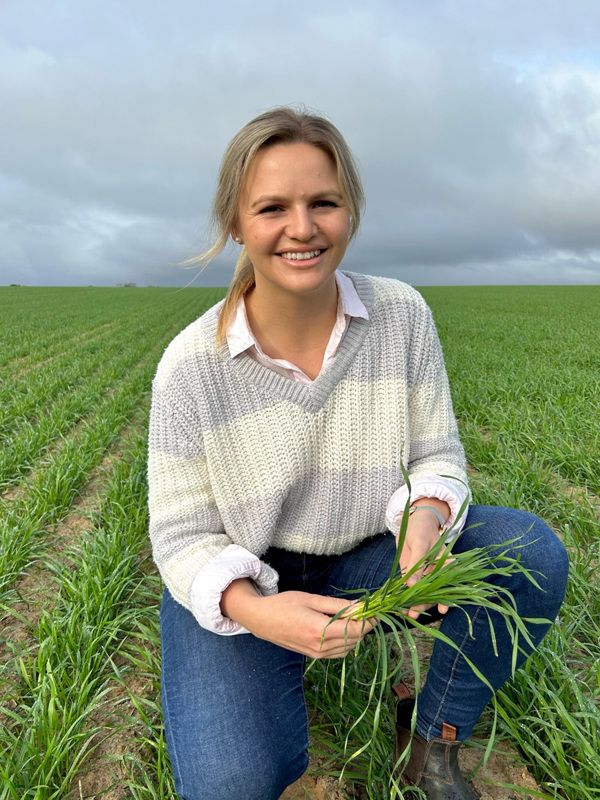
Caitlin Herbert, 2024 Nuffield Drought Resilience Scholar and sixth-generation operator at Gundamain, a mixed cattle and sheep property with a feedlot and backgrounding enterprise in Eugowra, NSW, returned home full-time in early 2020 as one of the worst droughts in living memory - the Tinderbox Drought - was breaking. Two years later, the 2022 Eugowra floods delivered a different kind of test. Both shaped the question at the heart of her research: what allows a business not just to survive shocks like these, but to recover, recalibrate and keep supplying food with integrity?
Her report, Lotfeeding for the Long Haul, tracks how Australia's feedlot sector has grown to meet exactly this kind of pressure. Cattle on feed have more than doubled since 2010, hitting a record 1.45 million head in December 2024. During the 2023-24 drought, cattle prices fell 28% as producers destocked, while feedlot demand provided producers with an important alternative market as pasture availability declined, helping create greater flexibility around cattle movements, feeding decisions and turn-off.
“Drought resilience isn't something that can be built by one part of the supply chain alone,” Caitlin said. “Having different pathways available gives producers more options to respond to the season in front of them. Feedlots are one of those pathways, and their value extends well beyond simply finishing cattle.”
The report also highlights the economic significance of the sector. The direct and indirect contribution of Australia's feedlot industry to GDP was estimated at $4.4 billion in 2017, while modelling cited in the report suggested the Australian economy could be $10.3 billion worse off in a scenario without the feedlot sector.
Her research also highlights Australia's National Feedlot Accreditation Scheme (NFAS) as an important foundation of the sector, providing an independently audited system supporting animal welfare, traceability and market access, even under drought pressure.
Caitlin travelled to Brazil, Argentina, Chile, Canada and the United States to see how other countries manage the same pressure. In Alberta, Canada, feedlots are purpose-built for temperature swings of up to 90 degrees. In Brazil, packers are co-investing in feed infrastructure to keep supply flowing through drought. Her conclusion: flexibility, certification and strong producer-feedlot relationships are what set the most resilient systems apart.
Her research reinforced that Australia's strength lies not in choosing between pasture-based production and lotfeeding, but in recognising how different parts of the production system can complement one another.
“There isn't one production system that will make Australian beef resilient to drought,” Caitlin said. “Our strength comes from having options and being able to move cattle through different production systems as seasonal conditions change. Greater collaboration between producers, backgrounders, feedlots, processors, industry and government can help us build a supply chain that is flexible enough to respond when conditions become difficult.”
Caitlin's report recommends continued investment in drought preparedness across the beef industry, strong producer-feedlot relationships, ongoing development of accreditation and data systems, and greater recognition of infrastructure that provides producers with flexibility during drought.
“The opportunity now is to recognise the role each part of the supply chain plays and continue building the flexibility, infrastructure and relationships that will help us navigate the next drought – because we know there will be one.”
Caitlin's Nuffield Scholarship was funded by the Australian Government's Future Drought Fund, whose investment in research and leadership development is helping Australian producers build knowledge and capability to strengthen the long-term resilience of Australia's agricultural sector.
Investor Information:
The $5 billion Future Drought Fund is an investment by the Australian Government to build drought resilience in Australia’s agriculture sector, landscapes and communities. Each year, $100 million is made available to help Australian farms and communities prepare for the impacts of drought.
Website: www.agriculture.gov.au/fdf